
Best Credit Card in India 2026


The content of this material is informational and educational in nature and cannot be regarded as financial advice. It is extremely important to conduct an independent analysis before any financial transactions. If you are not sure about financial matters, it is strongly recommended to seek the advice of an independent expert.
Finding the best credit card in India really comes down to one question: how do you actually spend your money? This guide breaks down 10 solid options across cashback, travel, rewards, and premium tiers. You’ll see exactly what each card costs, what you get back, and who should actually bother applying. Some work great if you’re always shopping online. Others make sense when you’re traveling abroad constantly. A few deliver decent all-around value without hitting you with annual fees. Let’s skip the marketing fluff and figure out what actually makes sense for your spending habits.
Top 10 Credit Cards in India 2026
| Product | Features | Rating | Link | |
|---|---|---|---|---|
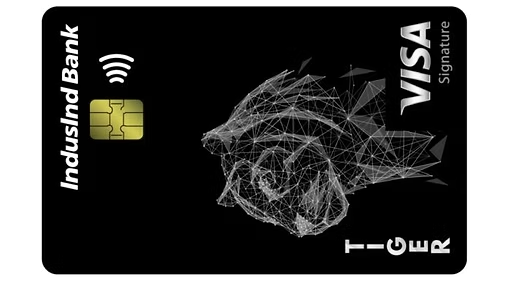
IndusInd Tiger Credit Card |
Completely free forever, gives you the lowest forex rates in India plus airport lounges | 4.9/5 | Go over | |
|
Exclusive 🔥 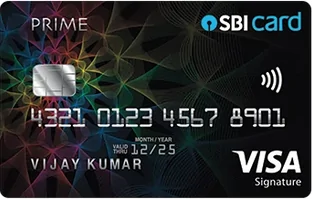
SBI Prime Credit Card |
Costs ₹2,999 but throws back over ₹11,000 in vouchers if you hit targets | 4.8/5 | Go over | |
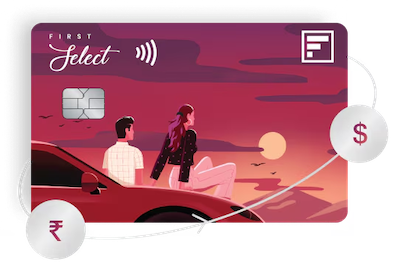
IDFC FIRST Select Credit Card |
Zero fees, ever, and includes ₹1 crore travel insurance coverage | 4.8/5 | Go over | |
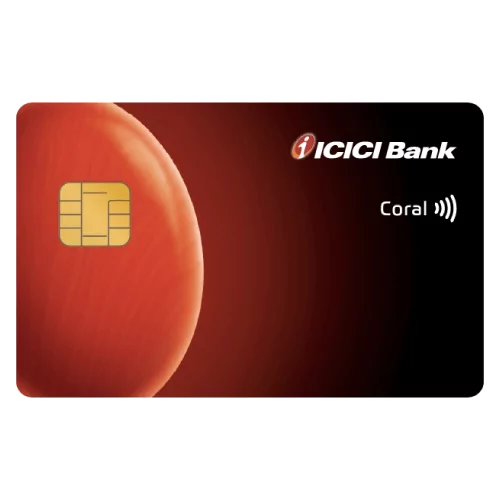
ICICI Bank Coral Credit Card |
Simple entry-level cashback that works for first-time card users | 4.7/5 | Go over | |
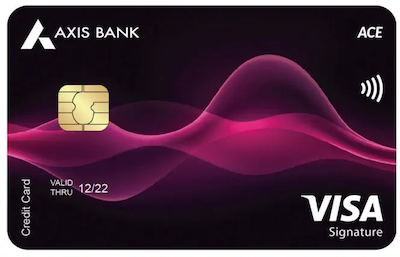
Axis Bank Ace Credit Card |
Never-ending 1.5% cashback plus 5% back when paying bills through Google Pay | 4.7/5 | Go over | |

HDFC Pixel Credit Card |
You actually pick which categories earn 5% every three months | 4.5/5 | Go over | |
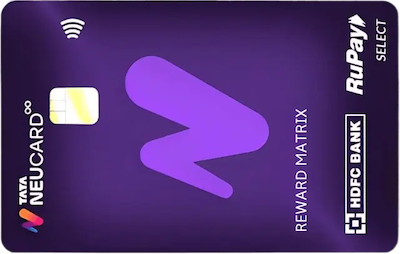
Tata Neu Infinity Credit Card |
Stack up to 10% back if you shop across Tata brands | 4.5/5 | Go over | |
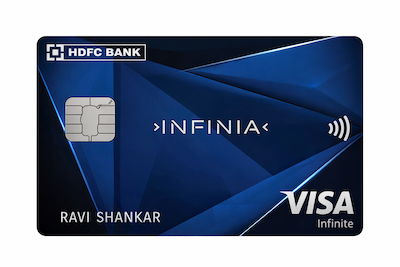
HDFC Infinia Credit Card |
The invite-only beast with unlimited lounge access everywhere | 4.4/5 | Go over | |
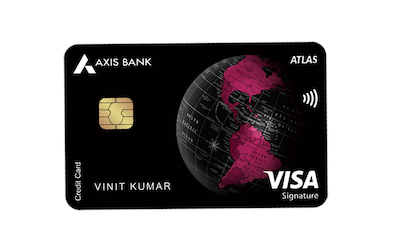
Axis Atlas Credit Card |
Turn your spending into airline miles you can use across 20+ programs | 4.3/5 | Go over | |
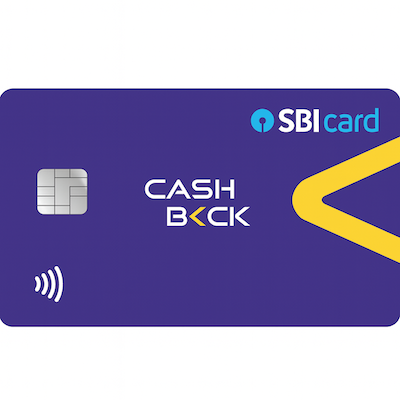
SBI Cashback Credit Card |
Clean 5% back on everything you buy online, no games | 4.3/5 | Go over |
IndusInd Tiger Credit Card
Joining Fee: Nil
Annual Fee: Nil
So here’s the thing with IndusInd Tiger—it’s actually free but still gives you stuff that normally costs thousands. No joining fee, no annual fee, no hidden “spend this much or we’ll charge you” nonsense. Perfect if you travel internationally and despise paying annual fees just to own a piece of plastic.
That 1.5% forex markup? Lowest you’ll find in India among cards regular people can actually get. Saves you about ₹1,500 for every lakh spent abroad compared to the usual 3.5% ripoff most banks pull.
Rewards work on tiers based on how much you spend yearly. Start at 1 point per ₹100. Spend a lakh and you’re at 2X. Cross 5 lakhs and boom—6X multiplier kicks in. That turns into roughly 2.4% cashback or 7.2% if you convert to airline miles like Singapore Airlines. Just know there are monthly caps: 5,000 points for cash, 10,000 for miles.
You get eight domestic lounge visits plus two international ones every year through Priority Pass. Four free golf games or lessons annually at decent courses—pretty weird benefit for a zero-fee card, but hey, I’ll take it. BookMyShow gives you two ₹500 vouchers every six months. There’s 24/7 concierge service and roadside assistance in six major cities.
| Key Benefits | Why We Like It |
|---|---|
| 1.5% forex markup | Genuinely saves ₹1,500 per lakh versus standard 3.5% robbery |
| Lifetime free | Actual premium stuff without paying anything ever |
| 6X rewards above ₹5L spend | Serious multipliers once you cross that threshold |
| 10 lounge visits total | Priority Pass membership that normally costs $99 |
Pros
- Zero fees with absolutely no catches or requirements
- That 1.5% forex markup really is India's cheapest
- Eight domestic plus two international lounge visits included
- Rewards actually multiply to 6X once you spend ₹5 lakh yearly
- Golf access is honestly unexpected at this price point
- KrisFlyer conversion makes sense for Singapore Airlines flyers
Cons
- Monthly caps limit how much you can redeem at once
- That base 1X earning rate stays pretty weak until you hit spending tiers
SBI Prime Credit Card
Joining Fee: ₹2,999 + Taxes
Annual Fee: ₹2,999 + Taxes
SBI Prime makes sense if you’re constantly eating out and buying groceries. Yeah, it costs ₹2,999 yearly, but you get over ₹11,000 back in vouchers if you actually use the card. Fee waiver needs ₹3 lakh spent annually—works out to ₹25,000 monthly, which most families hit just doing normal stuff.
Welcome package drops ₹3,000 in gift vouchers immediately across Bata, Pantaloons, Shoppers Stop, and Yatra. Spend ₹50,000 each quarter and Pizza Hut hands you ₹1,000. Hit ₹5 lakh for the year and another ₹7,000 in vouchers lands in your account. This structure rewards people who use the card consistently instead of those making one huge purchase occasionally.
Dining, groceries, stores, movies—all earn 10 points per ₹100, worth roughly 2.5% back. Your birthday month doubles that to 20 points per ₹100, though it’s capped at 2,000 points total. Everything else? Just 2 points per ₹100. Fuel doesn’t earn anything.
Lounge access breaks into eight domestic and four international visits yearly, max two per quarter for each type. Priority Pass comes included. Club ITC Silver membership throws in hotel perks. One major downside though: air accident insurance got axed in July 2025 across every SBI card.
| Why We Like It | |
|---|---|
| ₹11,000+ voucher value | Way more than the ₹2,999 you’re actually paying |
| 10X on dining & groceries | Strong returns where normal families spend regularly |
| 12 lounge visits split | Decent balance between domestic and international |
| Club ITC Silver included | Real hotel benefits at ITC properties nationwide |
Pros
- Those vouchers legitimately exceed the annual fee by a lot
- 10 points per ₹100 on categories that actually matter daily
- Twelve total lounge visits with Priority Pass included
- Birthday bonus genuinely doubles rewards during your month
- Club ITC Silver adds tangible hotel value
- Fee waives completely at ₹3 lakh yearly spend
Cons
- Lost that air accident insurance coverage in 2025
- Base 2 points per ₹100 is honestly weak outside bonus categories
IDFC FIRST Select Credit Card
Joining Fee: Nil
Annual Fee: Nil
IDFC FIRST Select packs travel insurance, lounge access, and decent rewards into a package that costs absolutely nothing. The catch? You need ₹12 lakh annual income just to qualify—way higher than most “free” cards ask for.
Rewards flip on at ₹20,000 monthly spending. Cross that line and you’re getting 10X points on everything; stay below and it drops to 3X. Base rate works out to 1 point per ₹150, each worth ₹0.25—so 10X gets you about 1.67% back. Birthday spending always qualifies for 10X no matter what your monthly total is. Book travel through their app and bonuses jump hard: 50X on hotels, 20X on flights.
Two domestic lounge visits per quarter, but you need ₹20,000 spent the previous month. Four railway lounge visits per quarter start February 2025. That 1.99% forex markup ties with Amazon Pay ICICI as India’s absolute cheapest.
Insurance coverage is honestly wild for a free card: ₹1 crore air accident, USD 300 baggage protection, ₹10,000 trip cancellation, ₹5 lakh personal accident. Interest-free ATM withdrawals for 45 days cost ₹199. Points never expire, though you pay ₹99 plus GST when redeeming.
| Key Benefits | Why We Like It |
|---|---|
| Lifetime free forever | Premium insurance without spending a single rupee |
| 1.99% forex markup | Literally ties for India’s lowest international fees |
| ₹1 crore air accident cover | Completely unheard of for zero-fee cards |
| 10X above ₹20K monthly | Strong earning once you cross that threshold |
Pros
- Zero fees, zero conditions, permanently
- That ₹1 crore insurance plus baggage and trip coverage
- 10X rewards activate above ₹20,000 monthly spending
- 1.99% forex genuinely saves big on international purchases
- Railway lounges add useful value for domestic travel
- Points literally never expire
Cons
- ₹12 lakh income requirement feels steep for a "free" card
- Lounge access needs ₹20,000 spent the previous month
ICICI Bank Coral Credit Card
Joining Fee: ₹500 + Taxes
Annual Fee: ₹500 + Taxes
ICICI Coral keeps things dead simple for first-timers. You get 2% back on groceries, 1% on stores, 0.5% on everything else. Nothing fancy going on, but no confusing category rotations or activation headaches either. Fee waives at ₹1 lakh yearly—comes out to roughly ₹8,334 monthly.
Cashback shows up as PAYBACK points you can flip to statement credit or use across partner rewards. No monthly caps means unlimited earning potential, which helps if you’re running serious volume through the card. Four domestic lounge visits annually via Dreamfolks handles occasional travel needs.
Lost card liability covers ₹2 lakh in fraud. Add-on cards for family members cost nothing extra. ICICI’s app and support structure make tracking expenses pretty straightforward. You need ₹20,000 monthly income if you’re salaried, ₹2 lakh yearly if self-employed.
That 3.5% forex markup makes this absolutely terrible for international spending. And that 0.5% base rate trails premium cards offering 1-5% returns. But for entry-level users trying to build credit history? It does what it needs to do.
| Key Benefits | Why We Like It |
|---|---|
| 2% grocery cashback | Solid returns on essentials literally everyone buys |
| No earning caps anywhere | Unlimited accumulation unlike competitors with caps |
| Low ₹20,000 income barrier | Accessible to entry-level working professionals |
| Four lounge visits included | Airport access without premium card pricing |
Pros
- Low ₹500 fee with achievable ₹1 lakh waiver threshold
- 2% on groceries adds up faster than you'd think
- No monthly caps on cashback accumulation
- Four lounge visits work for occasional flyers
- PAYBACK points offer flexible redemption options
- Income requirements stay accessible
Cons
- That 0.5% base rate is honestly pretty weak
- 3.5% forex markup absolutely kills international value
Axis Bank Ace Credit Card
Joining Fee: ₹499 + Taxes
Annual Fee: ₹499 + Taxes
Axis Ace nails everyday spending through Google Pay integration. You’re getting 5% on utility bills, 4% on Swiggy, Zomato, and Ola, plus an unlimited 1.5% base rate on literally everything else. The ₹499 joining fee reverses once you spend ₹10,000 within 45 days. Annual waiver needs ₹2 lakh—about ₹16,667 monthly.
That 5% on Google Pay bills covers electricity, gas, internet, DTH, mobile recharges. The 4% on food delivery and rides hits exactly where urban professionals spend constantly. Combined ₹500 monthly cap on these categories needs ₹10,000 spending to max out. The real winner here? That unlimited 1.5% base crushes competitors with caps or lower rates.
One major catch: Android only for the 5% tier since iOS can’t access Google Pay’s card payment feature. Four domestic lounge visits need ₹50,000 spent in the previous three months—strings attached. New cardholders get a grace period: issuance month plus three months.
Fuel, wallets, EMI, rent, insurance, education—all excluded from rewards. You’ll want a 750+ CIBIL score for smooth approval. Interest hits 3.75% monthly, which works out to 55.55% annually.
| Key Benefits | Why We Like It |
|---|---|
| 5% on Google Pay bills | Highest returns on utilities literally everyone pays monthly |
| Unlimited 1.5% base rate | No caps anywhere, just keeps accumulating forever |
| 4% on Swiggy, Zomato, Ola | Urban lifestyle spending completely covered |
| Effective zero fee | Easy thresholds make this essentially free |
Pros
- That unlimited 1.5% base is legitimately special
- 5% on utilities via Google Pay
- 4% on food delivery apps people actually use constantly
- ₹499 reverses at just ₹10,000 within 45 days
- Fee waives completely at ₹2 lakh yearly
- Four lounge visits included
Cons
- ₹500 monthly cap on 5% and 4% categories limits max earnings
- Lounge needs ₹50,000 spent previous three months—conditions apply
HDFC Pixel Play Credit Card
Joining Fee: ₹500 + Taxes
Annual Fee: ₹500 + Taxes
Pixel Play lets you actually pick your rewards instead of forcing you into preset categories. Choose two “packs” from Dining, Travel, Grocery, Electronics, Fashion—each earns 5% with 500-point monthly caps per pack. Change your picks every three months straight through PayZapp. The ₹500 joining fee waives at ₹20,000 in 90 days; annual waiver needs ₹1 lakh yearly.
Beyond your chosen packs, SmartBuy gets 5% and you pick one e-commerce platform (Amazon, Flipkart, or PayZapp) for 3%. That 1% base rate has zero monthly cap—genuinely rare at this price point. RuPay variant users grab an extra 1% on UPI transactions.
Redemption couldn’t be simpler: 1 CashPoint equals exactly ₹1 for bill payments, recharges, or vouchers through PayZapp. No conversion fees, no minimum thresholds, no math required. Points expire after 24 months. Fuel, rent, EMI, and wallet loads don’t earn anything.
Application only happens through PayZapp—completely digital experience. FD-backed variant exists that needs no income proof whatsoever. That 3.5% forex markup and zero lounge access make this purely a domestic rewards play.
| Key Benefits | Why We Like It |
|---|---|
| Choose two 5% categories quarterly | Actually personalize rewards to your real spending |
| 1% unlimited base everywhere | No caps on non-category purchases |
| 1 CashPoint = ₹1 direct | Zero conversion hassle or confusing math |
| PayZapp app exclusive | Completely digital for mobile-native users |
Pros
- Customize your categories every three months
- 1% unlimited base adds up across everything
- 5% on SmartBuy plus 3% on chosen platform
- Direct 1:1 redemption with no conversion games
- FD-backed option needs literally no income proof
- RuPay variant gets extra 1% on UPI
Cons
- 500-point monthly cap per category limits max to ₹1,000
- 3.5% forex markup completely kills international use
Tata Neu Infinity HDFC Bank Credit Card
Joining Fee: ₹1,499 + Taxes
Annual Fee: ₹1,499 + Taxes
Tata Neu Infinity works if you’re genuinely deep in the Tata ecosystem: BigBasket groceries, Croma electronics, Titan watches, Tanishq jewelry, Air India flights, 1mg medicines. Fee waives at ₹3 lakh spending. Welcome bonus of 1,499 NeuCoins (literally equals ₹1,499) makes the first year basically free if you claim within 60 days via their app.
NeuCoins keep things brutally simple: 1 coin equals ₹1 everywhere in the ecosystem. You earn 5% on Tata brands for non-EMI purchases. Add NeuPass membership and select categories hit 10% total value-back. Everything else returns 1.5%. UPI transactions earn 0.5% through any UPI ID but jump to 1.5% using Tata Neu UPI specifically. Bill payments return 2% across utilities, telecom, insurance.
Monthly caps exist: 2,000 NeuCoins each for grocery, utility, telecom, insurance; 500 for UPI. Coins expire 12 months from credit date as of August 2025—watch those balances or lose them. Lounge access runs on milestones: one domestic voucher per quarter at ₹50,000 quarterly spending, max eight yearly. RuPay holders get four international visits, one per quarter.
| Key Benefits | Why We Like It |
|---|---|
| 5% on Tata brands | Simple consistent earning across diverse categories |
| 10% with NeuPass stacked | Legitimately highest category rate in entire India |
| 1 NeuCoin = ₹1 anywhere | No confusing conversions across ecosystem |
| 2% on bill payments | Returns on essential monthly expenses |
Pros
- 10% stacked value on select Tata purchases with NeuPass
- Direct 1:1 redemption across entire ecosystem
- 2% on bills covers utilities and telecom
- 1.5% on Tata Neu UPI captures everyday spending
- Welcome bonus completely offsets first-year fee
- Eight lounge visits via milestone spending
Cons
- Value drops dramatically outside Tata ecosystem
- 12-month coin expiry needs active monitoring
HDFC Infinia Credit Card
Joining Fee: ₹12,500 + Taxes
Annual Fee: ₹12,500 + Taxes
Infinia’s invitation-only, and word on the street says you need ₹5 lakh monthly salary or ₹60 lakh annual ITR just to get considered. It’s HDFC’s absolute flagship for ultra-high-income people. Fee waives at ₹10 lakh yearly spending. Welcome bonus of 12,500 points basically returns your entire first-year fee through smart travel redemptions.
You earn 5 points per ₹150 across literally everything—rent, insurance, utilities all included. Works out to roughly 3.33% value. SmartBuy accelerates to 10X (capped at 15,000 monthly points), making it ideal for flights and hotels. Here’s the magic: 1 point equals exactly ₹1 for flights, hotels, Apple products, Tanishq vouchers via SmartBuy portal. Air miles transfer at 1:1 to SpiceClub, Flying Blue, KrisFlyer, IHG—absolutely exceptional compared to typical 3:1 or 4:1 conversions elsewhere.
Unlimited domestic and international lounge access via Priority Pass genuinely separates this from competitors with visit limits. You get Club Marriott membership (first year), unlimited golf rounds and coaching, comprehensive insurance (₹3 crore air accident, ₹50 lakh emergency hospitalization overseas). The 24/7 global concierge and ITC Hotels buy-three-pay-for-two round everything out. Forex markup of 2% undercuts the standard 3.5%.
| Key Benefits | Why We Like It |
|---|---|
| Unlimited lounge access | No visit limits or quarterly caps anywhere globally |
| 1 point = ₹1 for travel | Industry-best redemption eliminates value erosion |
| 10X on SmartBuy purchases | Up to 33% value-back on eligible bookings |
| 2% forex markup only | Beats standard 3.5% by meaningful margin |
Pros
- Unlimited lounge access worldwide, genuinely unlimited
- 1:1 redemption for flights, hotels, premium products
- 10X on SmartBuy delivers exceptional travel returns
- 2% forex saves substantially on international spending
- Club Marriott, unlimited golf, ITC benefits all included
- Insurance: ₹3 crore air accident, ₹50 lakh hospitalization
Cons
- Invitation-only restricts to ultra-high-income individuals
- ₹12,500 fee needs ₹10 lakh spending annually for waiver
Axis Atlas Credit Card
Joining Fee: ₹5,000 + Taxes
Annual Fee: ₹5,000 + Taxes
Atlas converts your everyday spending into EDGE Miles you can transfer to over 20 airlines and hotels. No fee waiver exists anywhere, though tier bonuses help offset some costs. Welcome benefit delivers 2,500 miles on your first transaction within 37 days.
Base earning hits 2 miles per ₹100 spent anywhere. Travel EDGE portal bookings, direct airline purchases, direct hotel bookings accelerate to 5 miles per ₹100 (capped at ₹2 lakh monthly). Here’s the value proposition: 1 mile equals ₹1 on Travel EDGE redemptions. Partner transfers convert at 1 mile equals 2 partner miles for most programs. Marriott Bonvoy actually converts at 2:1 favoring you—genuinely unusual generosity in this market.
Annual transfer limits apply: 30,000 miles to Group A partners, 1,20,000 to Group B, 1,50,000 to Travel EDGE portal. Redemption costs ₹99-199 plus GST each time. Gold tier (₹7.5 lakh yearly) and Platinum (₹15 lakh) unlock 2,500 and 5,000 milestone miles plus renewal bonuses. Eight domestic and four international lounge visits come standard regardless of which tier you hit.
That 3.5% forex markup genuinely contradicts this card’s entire travel positioning—that’s a legitimate problem. Interest rates hit 3.75% monthly (works out to 55.55% annually) after December 2024 revisions.
| Key Benefits | Why We Like It |
|---|---|
| 1 mile = ₹1 on portal | Direct consistent value eliminates redemption games |
| Transfer to 20+ partners | Flexibility beats airline-specific lockup completely |
| 5 miles per ₹100 on travel | 5% effective return rivals pure cashback cards |
| Tier milestone bonuses | Loyalty rewards help offset annual fee burden |
Pros
- 1:1 redemption value stays consistent always
- Transferable to major airlines and hotel chains
- 5 miles per ₹100 on travel bookings
- Gold and Platinum milestones genuinely reward loyalty
- Eight domestic, four international lounge visits
- 1:2 partner transfer doubles miles strategically
Cons
- 3.5% forex markup contradicts entire travel positioning
- No fee waiver option exists—paying ₹5,000 yearly regardless
SBI Cashback Credit Card
Joining Fee: ₹999 + Taxes
Annual Fee: ₹999 + Taxes
SBI Cashback delivers probably the simplest value proposition in India: 5% back on all online purchases, zero merchant restrictions. Fee waives at ₹2 lakh yearly—works out to roughly ₹16,667 monthly for regular users consolidating household spending.
You get 5% online, 1% offline, credited within two working days of statement generation. Combined monthly cap of ₹5,000 needs ₹1,00,000 monthly online spending to max out—honestly generous considering most people won’t hit anywhere near that. You’d need ₹12 lakh annually in online spending to consistently cap out, way beyond typical household usage patterns.
Exclusions cover utilities, insurance, fuel, rent, jewelry, railways, EMI—pretty standard stuff across cashback cards. Finance charges hit 3.50% monthly (42% annually) if you’re carrying balances forward. Cash advance runs 2.5% or ₹500 minimum. Late fees range from nil (under ₹100 balance) to ₹1,300 (over ₹50,000 outstanding). That 3.50% forex markup makes international spending genuinely expensive.
Eligibility needs ₹18,000 monthly salary or ₹2 lakh annual income. No lounge access, travel insurance, or lifestyle benefits whatsoever—this card literally does one thing and does it really well.
| Key Benefits | Why We Like It |
|---|---|
| 5% on all online purchases | No merchant games or rotating category nonsense |
| ₹5,000 monthly cap | Accommodates ₹1 lakh online spending easily |
| Credits within two days | Way faster than 60-90 day competitors |
| 1% offline cashback | Everything earns something at minimum |
Pros
- 5% on all online purchases without any restrictions
- ₹5,000 monthly cap genuinely fits most people's spending
- Cashback credits in just two working days
- 1% offline ensures in-person shopping earns something
- ₹2 lakh waiver achievable at ₹16,667 monthly
- ₹18,000 income accessible to mid-income professionals
Cons
- Absolutely zero lounge, insurance, or lifestyle benefits
- 3.50% forex makes international spending really expensive
Comparison Table
Looking at cards side-by-side helps you spot differences in what they cost, how rewards work, and who they’re actually built for. This table summarizes all ten cards above—use it to narrow things down to maybe two or three finalists before you dive into the detailed features and eligibility stuff.
| Credit Card | Joining / Annual Fees | Reward Style | Best Spend Categories | Key Perks | Ideal For |
|---|---|---|---|---|---|
| IndusInd Tiger | Nil / Nil | Milestone points (1X-6X) | International transactions | 1.5% forex, 10 lounges, golf | International travelers wanting zero fees |
| SBI Prime | ₹2,999 / ₹2,999 | 10X on select categories | Dining, groceries, movies | ₹11,000+ vouchers, 12 lounges | Lifestyle spenders consolidating expenses |
| IDFC FIRST Select | Nil / Nil | 10X above ₹20K monthly | Travel bookings via app | ₹1 crore insurance, 1.99% forex | Mid-income pros wanting free insurance |
| ICICI Coral | ₹500 / ₹500 | Cashback (0.5-2%) | Groceries, stores | 4 lounges, PAYBACK points | First-time card users |
| Axis Ace | ₹499 / ₹499 | Cashback (1.5-5%) | Google Pay bills, Swiggy, Zomato | Unlimited 1.5% base | Digital-first bill payers |
| HDFC Pixel Play | ₹500 / ₹500 | Customizable 5% categories | User-selected packs | Category flexibility | Gen Z wanting personalization |
| Tata Neu Infinity | ₹1,499 / ₹1,499 | NeuCoins (5-10%) | Tata ecosystem brands | 10% with NeuPass | Tata brand loyalists |
| HDFC Infinia | ₹12,500 / ₹12,500 | Points (3.33-33%) | SmartBuy, international travel | Unlimited lounges, 1:1 redemption | Ultra-high-income frequent flyers |
| Axis Atlas | ₹5,000 / ₹5,000 | EDGE Miles (2X-5X) | Direct travel bookings | 20+ partner transfers | Travelers wanting miles flexibility |
| SBI Cashback | ₹999 / ₹999 | Cashback (1-5%) | All online purchases | ₹5K monthly cap, no restrictions | Online shoppers across platforms |
How to Choose the Best Credit Card in India
Choosing the right credit card means matching features to how you’re actually spending money every month, not just chasing whatever welcome bonus sounds impressive in the moment.
Define Your Top Spending Buckets
Pull up three months of bank statements. Where’s your money really disappearing to? Online shopping, groceries, dining out, travel bookings, fuel, utility bills, rent payments, insurance premiums. Most people discover that 60-70% of their spending concentrates in maybe two or three spots. If you’re dropping ₹15,000 monthly on groceries and another ₹8,000 dining out, a card giving 10X rewards there legitimately beats one offering 5% on travel you maybe book twice a year.
Compare Fees Versus Actual Value-Back
Annual fees make sense when the benefits genuinely exceed what you’re paying. A card charging ₹3,000 annually needs to deliver at least ₹3,500-₹4,000 in benefits you’ll actually use—not theoretical maximums you’ll never hit. Do some honest math here: spending ₹50,000 monthly at 2% cashback yields ₹12,000 yearly, which easily justifies a ₹3,000 fee. But dropping only ₹20,000 monthly on that same card only earns ₹4,800 against ₹3,000 in fees—pretty marginal value when you think about it. Fee waivers requiring ₹3 lakh yearly spending mean hitting ₹25,000 monthly consistently without fail.
Understand the Actual Reward Structure
Cashback cards credit returns straight as statement adjustments—dead simple, completely transparent. Points-based systems need conversion math: 1 point might equal ₹0.25 for merchandise but jump to ₹1 for flight bookings. Lots of cards cap rewards monthly despite claiming “unlimited” benefits. Check exclusions carefully—tons of cards skip rent, insurance, utilities, fuel despite these being massive household expenses. Air miles add another complexity layer: 4:1 conversion ratios genuinely stink, and airlines constantly block redemptions during actual useful travel dates. Cards offering 1:1 point-to-mile conversions win hands down here.
Check Actual Lounge Access Rules
Some cards offer unlimited domestic and international access—legitimately great for frequent business flyers. Others cap at four or eight yearly visits. Spend-based access needs hitting minimum thresholds the previous month or quarter—miss the target and you’re locked out despite holding the card. Railway lounges genuinely help domestic travelers, with cards like IDFC offering four quarterly visits starting 2025. Priority Pass value depends entirely on your actual airport usage—if you’re flying once quarterly, unlimited access provides basically zero advantage versus just four annual visits.
Forex Markup and International Usage
Standard cards charge 3.5% forex markup plus 18% GST on that markup, totaling roughly 4.13% extra on every single international transaction. A ₹1 lakh foreign purchase costs an additional ₹4,130 in fees alone. Cards offering 1.5-2% markup save ₹2,000+ per lakh spent abroad—genuinely meaningful for frequent international travelers or people ordering from global websites regularly.
Eligibility Requirements Reality Check
Entry-level cards need ₹15,000-₹25,000 monthly income, mid-tier cards need ₹40,000-₹50,000 monthly, premium cards demand ₹1-2 lakh monthly. Self-employed applicants face 20-30% higher requirements versus salaried folks due to perceived income stability differences. Scores above 750 unlock premium cards with best terms and highest limits, 700-749 accesses standard offerings, below 700 may restrict you entirely to secured cards backed by fixed deposits. Existing banking relationships genuinely help—pre-approved offers from your salary account bank often feature relaxed eligibility and instant approval.
Customer Support and App Experience
Test the bank’s mobile app before you even apply. Can you view transactions in real-time, set spending alerts, redeem rewards without calling customer service? Statement clarity directly affects your ability to catch unauthorized transactions quickly. Customer service responsiveness becomes absolutely critical during disputes—a bank taking 90 days to resolve a fraudulent charge creates legitimate cash flow problems for most people.
Hidden Cost Traps Everyone Misses
Late payment fees ranging ₹500-₹1,300 hit brutally hard when you miss due dates by even one day. Set up autopay for at least minimum payment to avoid this trap. Cash withdrawal charges of 2.5% plus immediate 42-48% annual interest make ATM withdrawals from credit cards genuinely ruinous—use debit cards for any cash needs instead. EMI conversion charges 1-2% upfront plus interest throughout the tenure. Most critically, paying only the 5% minimum due lets interest compound on the remaining 95%—a ₹1 lakh unpaid balance costs ₹3,500-₹4,000 monthly in interest charges alone at standard rates.
Credit Card Fees and Common Cost Traps
Rewards genuinely don’t matter if fees are erasing all the value you’re supposedly earning. Understanding the complete cost structure prevents those unpleasant surprises that hit your statement later.
Annual and Joining Fees
Joining fees range ₹500-₹12,500 depending on card tier; annual fees repeat every single year unless waived. Some cards need ₹1 lakh annual spending for waiver, others demand ₹3-10 lakh. Missing the threshold by even ₹1 triggers full charges. Always add 18% GST to whatever fee they’re advertising—a ₹3,000 annual fee actually costs ₹3,540 after tax.
Interest Rates
Interest charges of 36-48% annually represent the primary hidden cost that destroys people financially. Interest starts accruing from the purchase date itself once any balance carries forward—not from the due date like most people assume. Paying only the 5% minimum due covers mostly interest while your actual principal debt compounds. A ₹1 lakh unpaid balance costs ₹3,000-₹4,000 every single month just in interest charges.
Late Payment Fees
Late fees range from nil for balances under ₹100 to ₹1,300 for outstanding amounts exceeding ₹50,000. These hit even if you’re literally one day late. Set up autopay for at least minimum payment to prevent this.
Cash Withdrawal Fees
Cash advances carry immediate 42-48% annual interest with absolutely no grace period, plus fees of 2.5% or ₹500 minimum per withdrawal. A ₹10,000 cash withdrawal costs ₹250-350 immediately plus another ₹350-400 monthly in interest if left unpaid. Use debit cards for any cash needs instead.
Forex Markup
Standard 3.5% forex plus 18% GST on the markup totals about 4.13% extra on international purchases. A ₹1 lakh foreign spend costs ₹4,130 just in fees.
Over-Limit Charges
Spending beyond your credit limit triggers ₹500-600 fees per occurrence.
EMI Conversion Fees
Converting purchases to EMIs costs 1-2% processing fees upfront plus interest throughout the entire tenure. A ₹50,000 purchase converted to 12-month EMI costs ₹500-1,000 processing fee plus ₹3,000-5,000 interest on top.
GST on Everything
Remember 18% GST applies to literally all charges including interest, late fees, and forex markups. A ₹1,000 interest charge becomes ₹1,180 after tax gets added.
Documents Required to Apply
Applying for credit cards needs specific documentation proving your identity, address, income, and overall financial stability.
Basic Eligibility
Most cards need ages 21-65. You must be an Indian resident with stable employment or business income. Salaried applicants generally face lower income thresholds than self-employed folks.
KYC Documents
PAN card is absolutely mandatory per income tax regulations. For identity proof, banks accept Aadhaar card, passport, voter ID, or driving license. Address proof needs utility bills dated within three months, bank statements, passport, or Aadhaar.
Income Proof
Salaried applicants need three months’ salary slips plus six months’ bank statements showing salary credits. Self-employed need two years’ ITRs plus six months’ bank statements. Higher income documentation genuinely improves approval chances and credit limits.
For Self-Employed
Business proof includes GST registration, shop licenses, or professional certificates for doctors and lawyers. Banks typically need minimum two years of operations.
Verification Steps
Banks verify PAN with income tax databases and Aadhaar through UIDAI. Mobile and email verification happens via OTP. Physical address verification may involve bank representatives visiting your place, though many now accept video KYC.
Main Types of Credit Cards
Different card types exist for completely different goals. Understanding these categories helps you figure out which type actually fits your situation before you start comparing specific products.
Cashback Cards
Cashback cards return 1-5% of spending directly as statement credit. Simple, completely transparent—no tracking complex points systems. SBI Cashback offers 5% on online purchases, Axis Ace delivers 5% on utility bills via Google Pay. Cashback credits within days.
Rewards and Points Cards
Rewards cards pile up points for merchandise, vouchers, statement credit, or air miles. Points systems offer flexibility but you need to understand redemption ratios and expiration policies. HDFC Pixel Play lets you customize earning categories every quarter, SBI Prime accelerates on dining and groceries. Redemption values vary wildly—1 point might equal ₹0.25 for merchandise but jump to ₹1 for flight bookings.
Travel and Miles Cards
Travel cards optimize through airline miles, lounge access, travel insurance, low forex markups. Axis Atlas converts spending into EDGE Miles transferable to 20+ partner programs, HDFC Infinia provides unlimited lounge access globally. Higher annual fees genuinely deliver value through Priority Pass memberships and preferential flight redemption rates.
Premium Cards
Premium cards target high-income individuals with unlimited lounges, golf privileges, luxury hotel memberships, dedicated concierge services. Annual fees range ₹5,000-₹50,000. HDFC Infinia provides Club Marriott membership, Axis Reserve offers complimentary airport transfers and 50 golf rounds yearly.
Co-Branded Cards
Co-branded cards partner with specific companies for enhanced ecosystem benefits. Amazon Pay ICICI offers 5% cashback exclusively on Amazon, Tata Neu Infinity provides up to 10% NeuCoins across Tata brands. These absolutely excel for brand loyalists but offer pretty limited value outside partner ecosystems.
Secured Cards
Secured cards need fixed deposit collateral—typically 80-100% of the deposit becomes your credit limit. These help individuals with zero credit history establish positive payment records. IDFC FIRST and several other banks offer FD-backed variants without any income proof requirements. Timely payments gradually improve credit scores.
Entry-Level Cards
Entry-level cards target first-time users with minimal income requirements and lower credit limits. Modest fees (₹500-₹1,000 annually) provide basic benefits like limited lounge access. These establish credit histories that eventually unlock premium cards as your income rises.
Pros and Cons + Tips for Wise Usage
Cards prove genuinely useful if you manage them responsibly, but misuse creates expensive debt traps that wreck people financially.
Pros
- Cards offer genuine convenience for both online and offline transactions without needing to carry cash everywhere.
- Reward programs return 1–10% value on purchases you’re making anyway, effectively reducing your actual costs on everyday expenses.
- Fraud protection and chargeback rights legitimately shield you from unauthorized transactions—report fraudulent charges within three days and banks typically reverse them without any liability hitting you.
- Building credit history through consistent timely payments establishes solid credit scores that unlock favorable interest rates on future home loans, car loans, and personal loans down the road.
- Cards provide emergency financial buffers during genuinely unexpected expenses, though this requires strict discipline to repay quickly and completely avoid mounting interest charges.
Cons
- High interest rates of 36–48% annually absolutely devastate your finances if you’re carrying any balances forward.
- Overspending risk increases substantially when using credit versus cash—multiple studies show people spend 20–30% more with cards due to reduced immediate payment pain.
- Multiple fees including late payments, cash advances, and forex markups accumulate shockingly fast if you’re not constantly vigilant.
- Missing even one payment damages your credit score for 2–3 years minimum, affecting future loan approvals and sometimes even employment background checks.
- The minimum payment trap proves most dangerous—paying only the 5% minimum lets interest compound viciously on the remaining 95% while you incorrectly think you’re managing debt responsibly.
Tips
Pay full balances on time every single month, ideally via autopay to prevent late fees and interest charges completely. Avoid paying only the minimum due at all costs—this covers mostly interest while your actual principal barely budges. Keep credit utilization consistently below 30% of your available limits to maintain genuinely healthy credit scores. Track reward caps and exclusions actively to maximize benefits without hitting monthly limits unexpectedly. Review statements monthly and enable real-time transaction alerts to catch any unauthorized charges immediately. Avoid cash withdrawals entirely—use debit cards for any cash needs since credit card ATM usage triggers immediate interest with no grace period. Don’t apply for multiple cards simultaneously since each application creates hard inquiries that temporarily lower your credit scores.
Conclusion
The best credit card genuinely depends on your actual spending habits and honest fee-value math. Online shoppers benefit most from SBI Cashback’s straightforward 5% returns, international travelers save substantially with IndusInd Tiger’s 1.5% forex markup, Tata ecosystem loyalists maximize value through Tata Neu Infinity’s stacked returns. Pick maybe two or three finalists from this list, calculate realistic annual rewards based on your actual monthly spending patterns, subtract all fees including GST, and verify eligibility requirements before applying anywhere. Compare final terms directly on official bank websites since fees and benefits genuinely change frequently. The right card simply amplifies value on expenses you’re already making regardless.
FAQ
1.
Which is the best credit card in India?
The “best” varies completely by individual spending patterns. SBI Cashback suits online shoppers with that unrestricted 5% return, IndusInd Tiger benefits international travelers with 1.5% forex markup, HDFC Infinia serves ultra-high-income frequent flyers. Honestly analyze your top three spending categories and choose cards offering genuinely accelerated rewards in exactly those specific areas rather than chasing generic “best” rankings that don’t match your reality.
2.
Which credit card works best for daily use?
Axis Ace delivers probably the best everyday value with its unlimited 1.5% base cashback plus 5% back when paying utility bills through Google Pay. This combination legitimately captures both routine bill payments and general spending without any monthly caps hitting you. ICICI Coral provides solid daily-use value specifically for grocery shoppers with that consistent 2% return on supermarket purchases.
3.
Are lifetime free cards always the best option?
Not even close to always. Lifetime free cards like IndusInd Tiger and IDFC FIRST Select offer genuinely excellent value but typically provide notably lower base rewards than fee-charging alternatives do. A card charging ₹3,000 annually but delivering ₹11,000 in actual usable vouchers plus premium lounge access provides dramatically better net value than a completely free card earning just 1% cashback. Calculate your total annual benefits minus all fees honestly to determine true value.
4.
Do premium cards always have high fees, and are they actually worth it?
Premium credit cards charging ₹5,000-₹12,500 annually can absolutely justify those costs through unlimited lounge access, luxury hotel memberships, golf privileges, and genuinely superior redemption ratios. HDFC Infinia’s ₹12,500 annual fee delivers substantial value through unlimited global lounge access alone worth over $300 annually, plus Club Marriott membership and those exceptional 1:1 point redemptions. However, these benefits only prove worthwhile if you’ll actually use them regularly—paying ₹10,000 annually for unlimited lounge access makes absolutely zero sense if you’re only flying twice yearly.
5.
Is credit score important when applying?
Credit score significantly impacts both approval chances and the actual credit limits you’ll receive. Scores above 750 unlock premium cards with the absolute best terms and highest limits, scores between 700-749 access standard card offerings, while anything below 700 may restrict you entirely to secured credit cards backed by fixed deposits. First-time applicants with literally no credit history can start with entry-level cards or FD-backed variants to establish initial payment records, then progressively upgrade to better cards as their scores naturally improve through consistently responsible usage patterns.
6.
What should I check before applying?
Verify annual fees and specific waiver conditions against your realistic spending patterns honestly. Compare actual reward rates on your personal top spending categories—grocery, dining, online shopping, travel bookings. Check strict eligibility requirements including minimum income thresholds and credit score needs. Review foreign transaction fees carefully if you travel internationally even occasionally. Confirm lounge access details including specific visit limits and any spending requirements attached. Read complete exclusion lists thoroughly to understand exactly which purchases won’t earn any rewards whatsoever.
7.
What charges do people consistently miss?
People constantly overlook GST adding 18% to literally all stated fees—a ₹3,000 annual fee actually costs ₹3,540 total. Cash withdrawal fees of 2.5% plus immediate 42-48% annual interest make ATM usage from credit cards genuinely expensive. EMI conversion processing fees of 1-2% upfront add substantial hidden costs to those “convenient” installment options. The minimum payment trap proves most financially dangerous—paying only 5% monthly covers mostly interest charges while your actual principal compounds aggressively.
8.
How do I quickly compare two similar-looking cards?
Calculate honest annual value using your actual real spending patterns: multiply your typical monthly spending in each specific category by each card’s stated reward rate, sum your total annual rewards realistically, subtract absolutely all fees including GST, then directly compare the final net value numbers. Check lounge access details carefully—unlimited versus strictly capped visits and any spending requirements attached. Compare forex markups if you travel internationally even occasionally. Verify straightforward eligibility requirements to avoid completely wasting applications on cards you genuinely won’t qualify for anyway.