
Best Debit Cards in India 2026: Zero Fees, Cashback & Airport Lounge Access

The content of this material is informational and educational in nature and cannot be regarded as financial advice. It is extremely important to conduct an independent analysis before any financial transactions. If you are not sure about financial matters, it is strongly recommended to seek the advice of an independent expert.
This article will pick the 10 best debit cards in India, comparing them by key factors like fees (issuance/AMC), rewards/value-back, daily ATM and POS/online limits, airport lounge access (if available), card network (Visa/Mastercard/RuPay), and international usage/forex charges.
Numbered List of Best Debit Cards
| Product | Features | Rating | Link | |
|---|---|---|---|---|
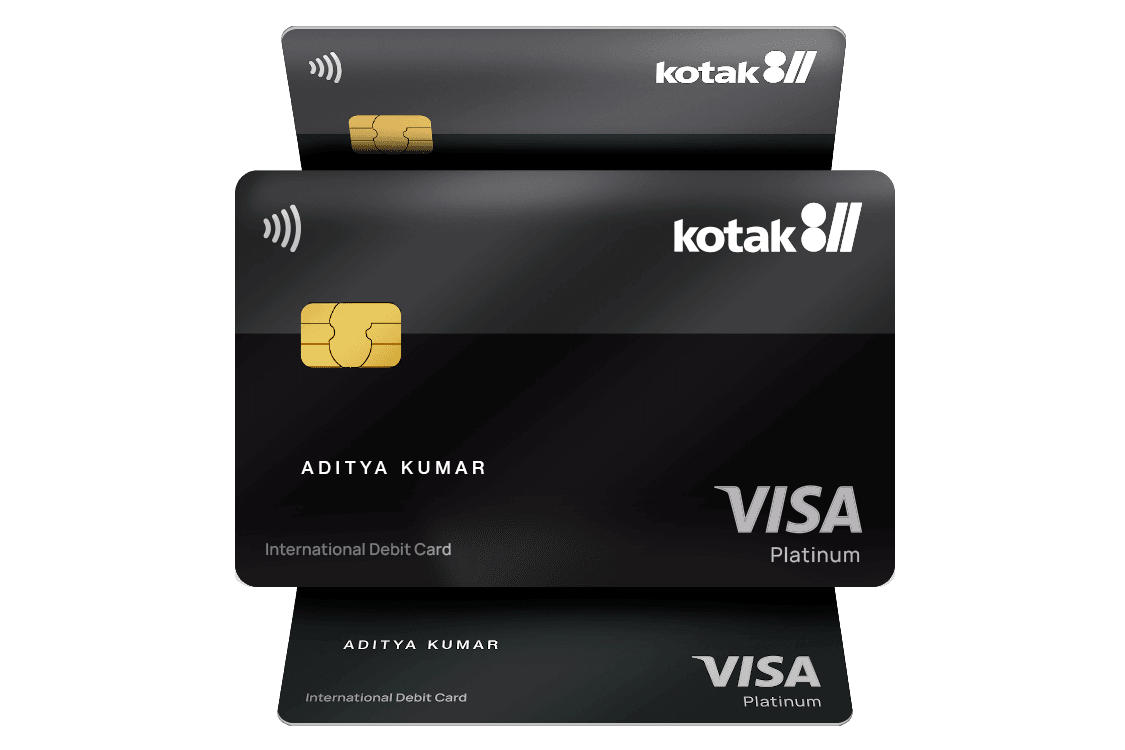
Kotak811 Debit Card |
Best for digital banking and zero balance accounts | 4.9/5 | Get It Now! | |
|
New 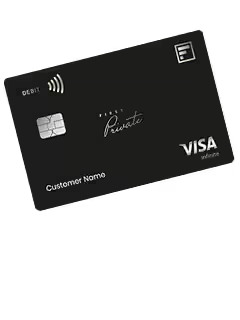
IDFC FIRST Bank Debit Card |
Unlimited free ATM withdrawals nationwide | 4.9/5 | Get It Now! | |
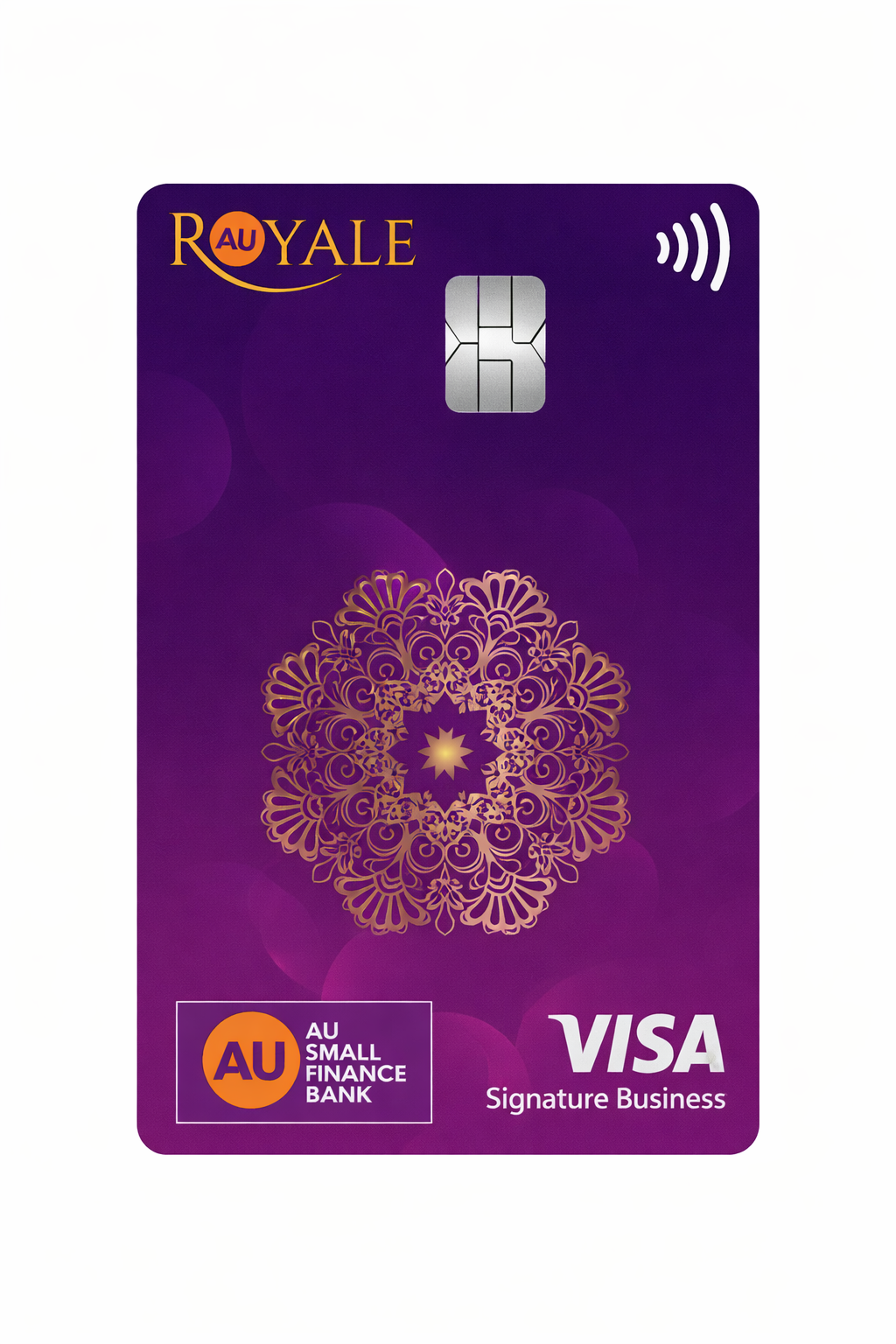
AU Bank Debit Card |
High cashback on digital transactions | 4.9/5 | Get It Now! | |
|
New 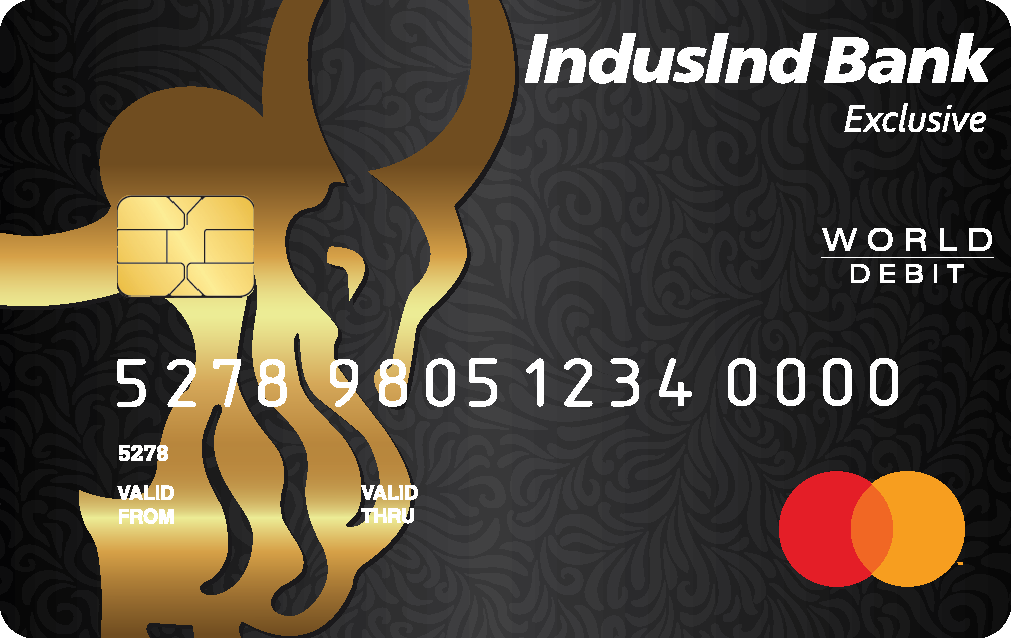
IndusInd Bank Debit Card |
Premium benefits with zero forex markup | 4.5/5 | Get It Now! | |
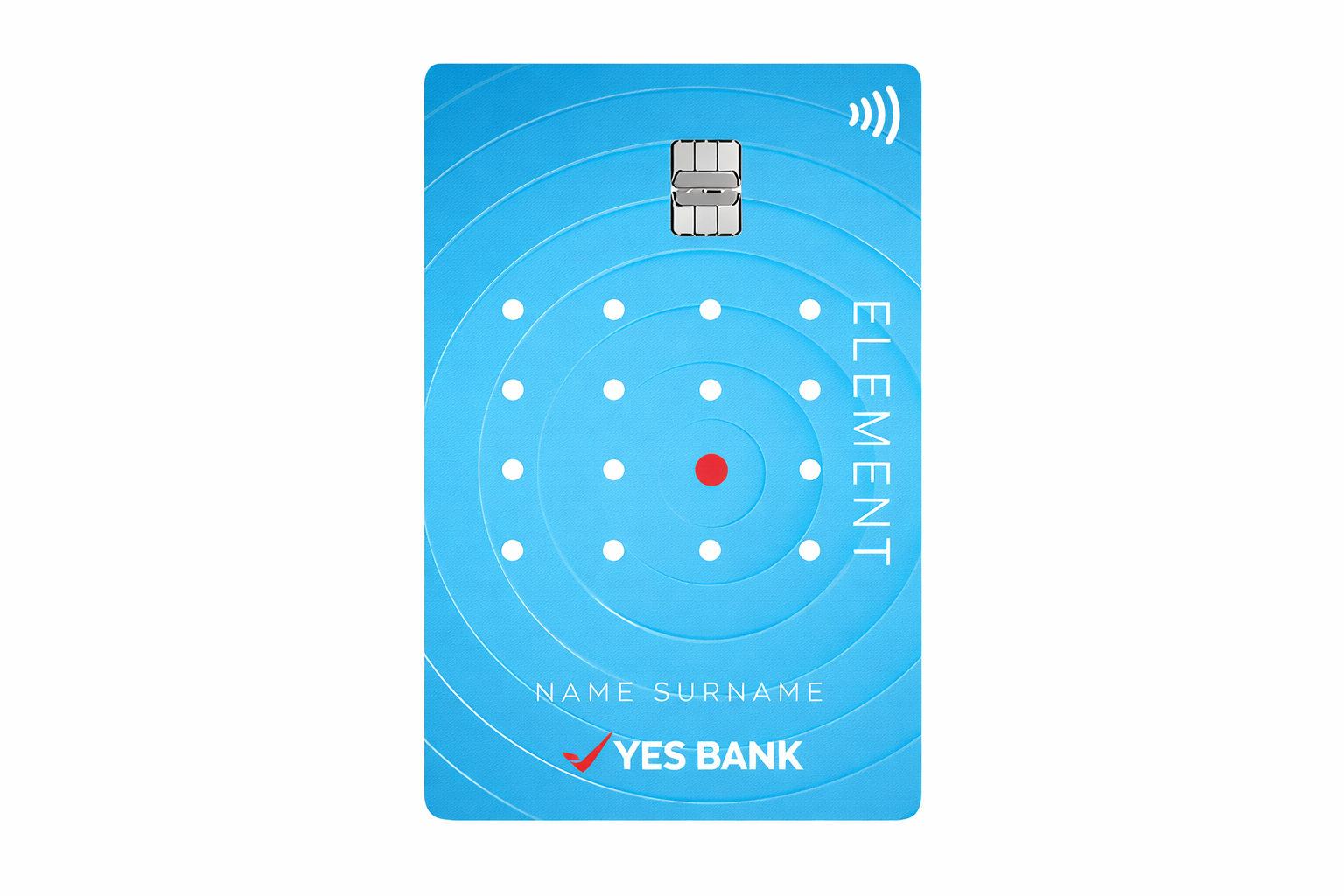
YES Bank Debit Card |
Comprehensive reward program with dining benefits | 4.6/5 | Get It Now! | |
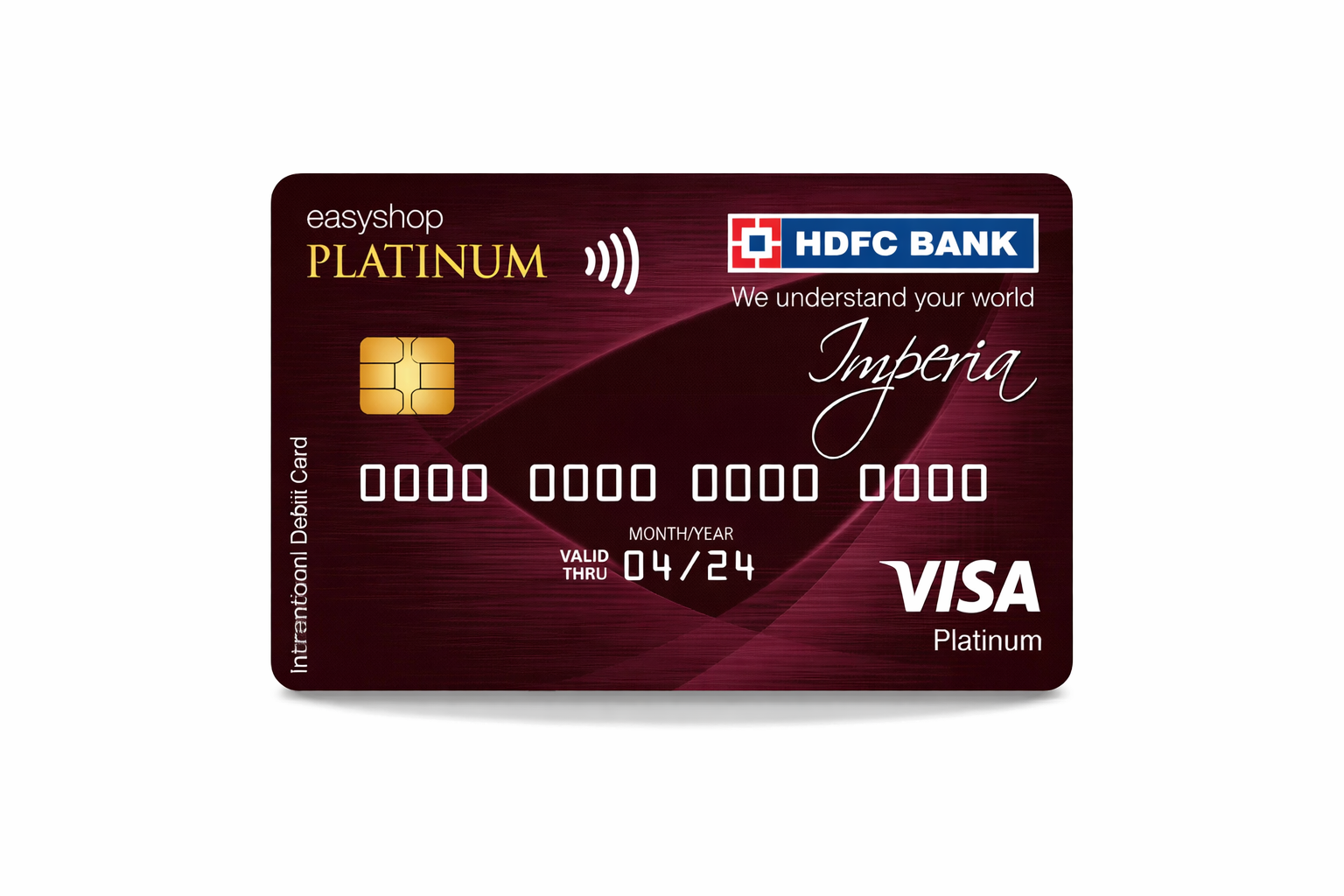
HDFC Bank Debit Card |
Market leader with extensive merchant acceptance | 4.5/5 | Get It Now! | |
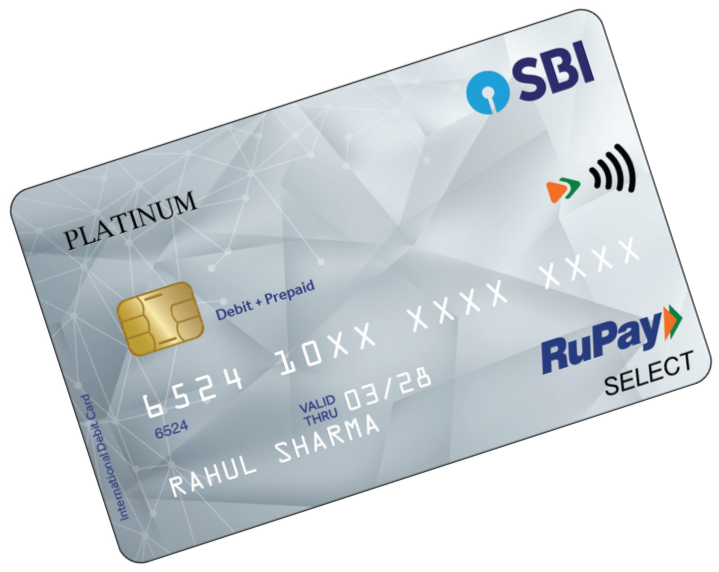
SBI Bank Debit Card |
Widest network coverage and government salary compatibility | 4.7/5 | Get It Now! | |
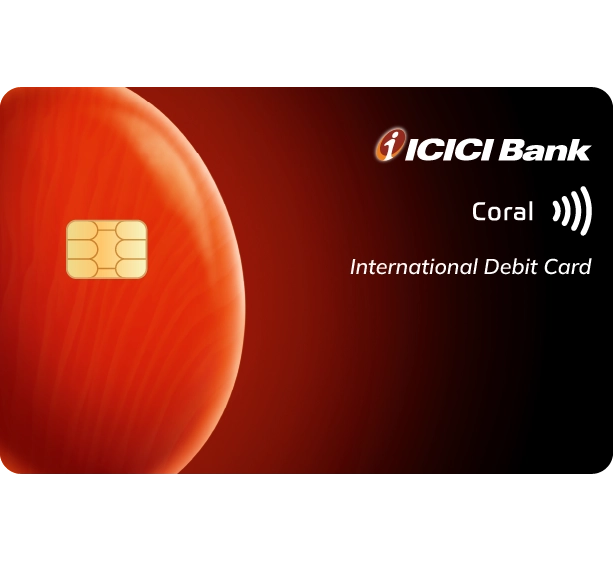
ICICI Bank Debit Card |
Advanced security features and lounge access | 4.7/5 | Get It Now! | |
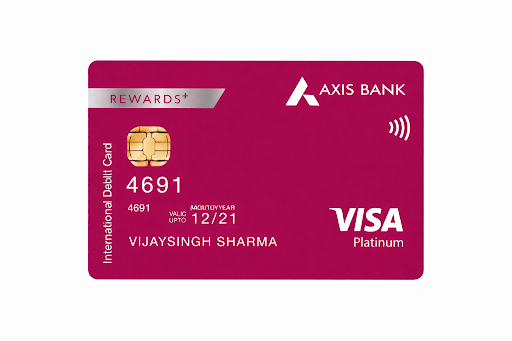
Axis Bank Debit Card |
Premium lifestyle benefits for high-net-worth users | 4.5/5 | Get It Now! | |
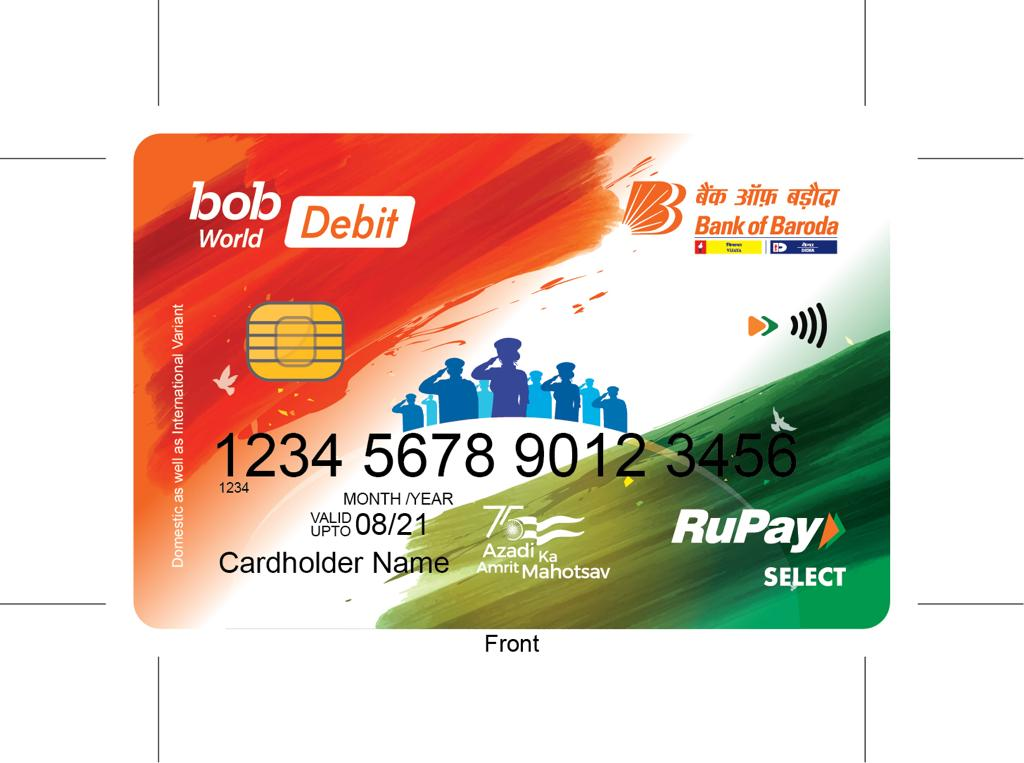
Bank of Baroda Debit Card |
Value-oriented option with reasonable fees | 4.3/5 | Get It Now! |
Top 10 Debit Cards India 2026
Kotak811 Debit Card – Best Digital Banking Option with Zero Balance
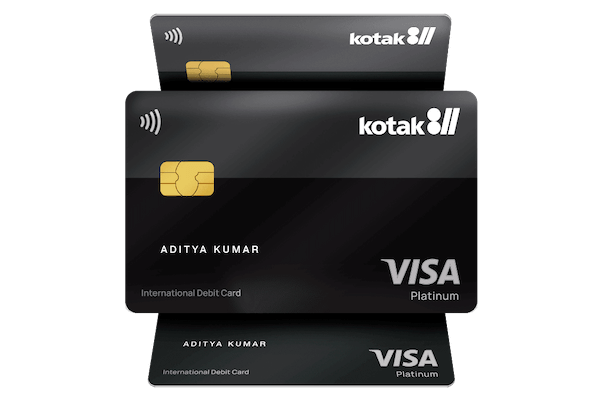
The Kotak811 debit card comes with savings accounts that require no minimum balance, making it accessible for students and young professionals. This card offers attractive cashback on popular merchant categories including food delivery, entertainment, and online shopping platforms.
Key Features & Benefits:
- Zero minimum balance requirement on linked savings account
- Cashback rewards on Swiggy, Zomato, and Amazon transactions
- Free ATM withdrawals at Kotak ATMs with limited charges elsewhere
- UPI integration with instant account opening through video KYC
- Contactless payment support for quick transactions
- Mobile banking app with expense tracking and budget tools
Pros:
- No minimum balance penalty charges ever
- Quick account opening process completed entirely online
- Decent cashback rates on popular digital platforms
- Modern banking app with spending insights and controls
- Suitable for first-time banking customers and students
- Low annual maintenance charges compared to traditional banks
Cons:
- Limited physical branch network for in-person support
- Cashback categories are restricted to specific merchant partners
IDFC FIRST Bank Debit Card – Unlimited Free ATM Access Nationwide
IDFC FIRST Bank’s debit cards stand out for offering unlimited free ATM withdrawals at any bank’s ATM across India. The bank focuses on fee transparency and customer-friendly policies, making it attractive for users who frequently use ATMs.
Key Features & Benefits:
- Unlimited free ATM withdrawals from any bank ATM in India
- No charges for balance inquiries and mini statements
- Contactless payment technology for secure transactions
- Monthly fee reversals on meeting minimum transaction criteria
- Integration with all major UPI platforms and digital wallets
- 24/7 customer support with multilingual assistance
Pros:
- Zero ATM withdrawal charges nationwide saves significant money annually
- Transparent fee structure with no hidden charges
- Quick card replacement and PIN reset services
- Strong mobile banking platform with real-time notifications
- Competitive currency conversion rates for international usage
- Easy limit modification through digital banking channels
Cons:
- Limited physical branch presence in smaller cities
- Reward program benefits are basic compared to premium banks
AU Bank Debit Card – High Cashback on Digital Transactions
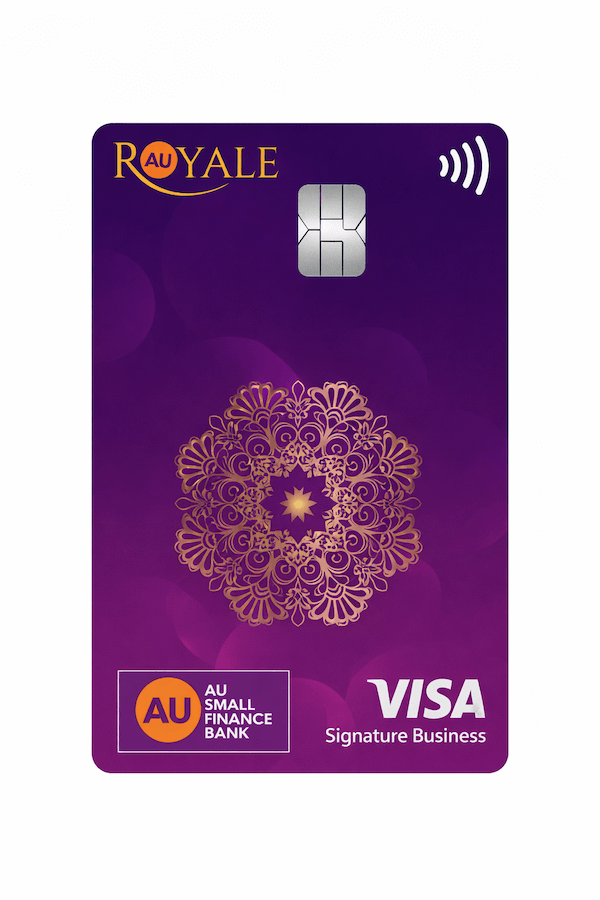
AU Small Finance Bank has evolved into a comprehensive banking solution, offering debit cards with attractive cashback rates on digital spends. The bank targets tech-savvy customers with its digital-first approach and competitive reward structures.
Key Features & Benefits:
- Enhanced cashback rates on online shopping and bill payments
- Special rates for grocery and pharmacy purchases through digital channels
- Instant card blocking and unblocking through mobile app
- Real-time transaction alerts via SMS and app notifications
- Biometric authentication support for enhanced security
- Integration with popular payment apps and e-wallets
Pros:
- Above-average cashback percentages on digital transactions
- User-friendly mobile app with comprehensive banking features
- Quick customer service response through digital channels
- Flexible spending limits with instant modification options
- Strong focus on digital payment security and fraud protection
- Reasonable annual fees with clear waiver conditions
Cons:
- Cashback caps may limit benefits for very high spenders
- Smaller ATM network requires reliance on other bank ATMs
IndusInd Bank Debit Card – Premium Benefits with Zero Forex Markup
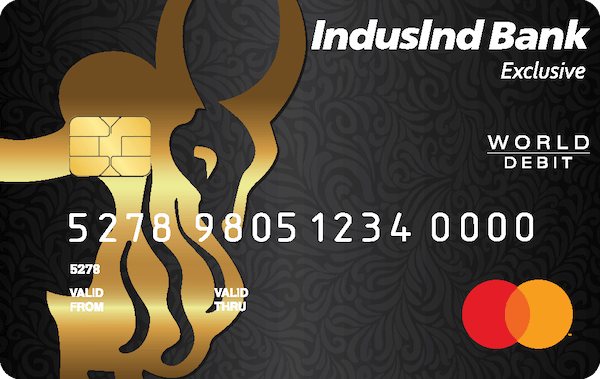
IndusInd Bank offers several debit card variants, with the Exclusive and Signature cards providing premium travel and lifestyle benefits. Account holders maintaining higher balances can access cards with zero cross-currency markup fees.
Key Features & Benefits:
- Zero forex markup on international transactions (select variants)
- Airport lounge access at domestic and international terminals
- Accelerated reward points on dining and fuel purchases
- Higher daily withdrawal and spending limits for convenience
- Comprehensive insurance coverage including purchase protection
- Priority customer service with dedicated relationship managers
Pros:
- Excellent international travel benefits with zero forex charges
- Multiple lounge visits annually for frequent travelers
- Strong reward point accumulation across spending categories
- Premium customer service and banking experience
- Flexible limit enhancement options based on relationship value
- Wide acceptance network both domestically and internationally
Cons:
- Higher minimum balance requirements for premium card variants
- Annual fees applicable unless balance criteria are maintained
YES Bank Debit Card – Comprehensive Reward Program with Dining Benefits
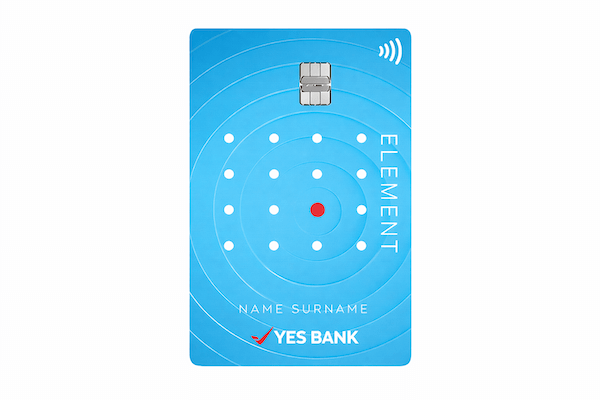
YES Bank rebuilt its reputation after facing challenges in 2020, and their debit cards now offer solid rewards across multiple categories. The bank has strengthened its digital infrastructure while maintaining competitive reward rates.
Key Features & Benefits:
- Reward points accumulate faster at restaurants and fuel stations
- Movie ticket discounts available through partner cinema chains
- International usage enabled by default with reasonable forex rates
- Enhanced security with chip-and-PIN technology across all variants
- Mobile banking includes expense categorization and budget planning tools
- Customer service operates extended hours including weekend support
Pros:
- Dining rewards are genuinely useful since everyone eats out occasionally
- Cinema partnerships provide real savings for movie enthusiasts
- International transactions work smoothly without prior travel notifications
- The mobile app has improved significantly with regular updates
- Reward point redemption options include gift vouchers and cashback
- Branch network covers most major cities for in-person assistance
Cons:
- Bank's past issues may concern conservative customers
- Some premium features require maintaining higher account balances
HDFC Bank Debit Card – Market Leader with Extensive Merchant Acceptance
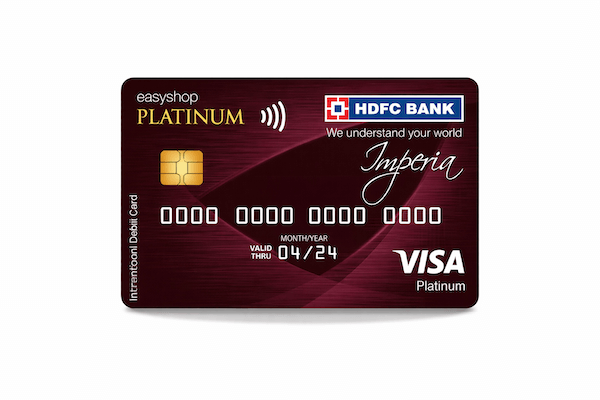
HDFC Bank dominates India’s private banking sector, and their debit cards enjoy universal acceptance. Whether you’re at a street vendor or luxury hotel, HDFC cards work reliably across the country.
Key Features & Benefits:
- Accepted everywhere cards are taken – the widest network coverage
- Multiple card variants from basic to premium with varying annual fees
- Airport lounge access available on higher-tier cards with spending criteria
- Strong fraud protection systems with instant transaction monitoring
- NetBanking platform integrates seamlessly with card management features
- EMI conversion available on large purchases at participating merchants
Pros:
- Never worry about card acceptance – it works practically everywhere
- Established bank with decades of experience in card payments
- Premium variants offer genuine lifestyle benefits like lounge access
- Customer service infrastructure is mature and reliable
- Easy upgrade path from basic to premium cards as income grows
- Extensive ATM network reduces dependence on other banks
Cons:
- Annual fees can be steep unless you meet waiver conditions consistently
- Basic variants offer limited rewards compared to newer fintech options
SBI Bank Debit Card – Widest Network Coverage and Government Salary Compatibility
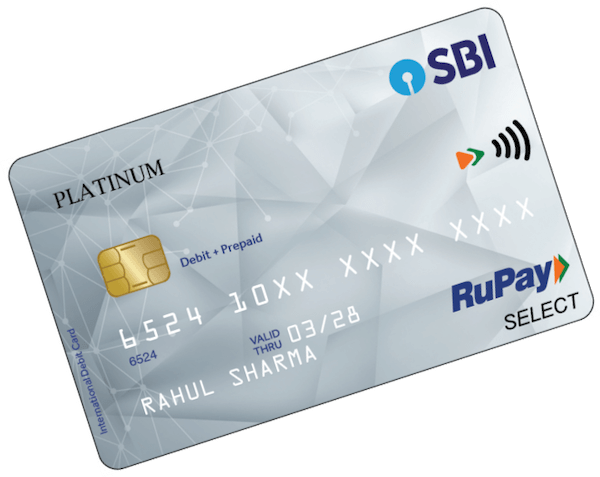
State Bank of India remains the country’s largest bank, and their debit cards benefit from this massive infrastructure. Government employees and pensioners particularly appreciate SBI’s established systems and widespread branch network.
Key Features & Benefits:
- Largest ATM network in India ensures cash access everywhere
- Government salary accounts come with debit cards automatically
- Multiple RuPay and international card options depending on account type
- Pension disbursement compatible with senior citizen-friendly features
- Rural area coverage unmatched by any private sector bank
- Tie-ups with various government schemes and subsidy programs
Pros:
- ATM availability in remote locations where other banks don't operate
- Government employees get preferential treatment and faster services
- Annual charges are typically lower than private banks
- Branch staff understand government processes and documentation requirements
- Established relationships with utility companies for bill payments
- Senior citizens receive dedicated support and simplified procedures
Cons:
- Digital banking features lag behind private sector competitors
- Customer service can be slower due to high volume of customers
ICICI Bank Debit Card – Advanced Security Features and Lounge Access
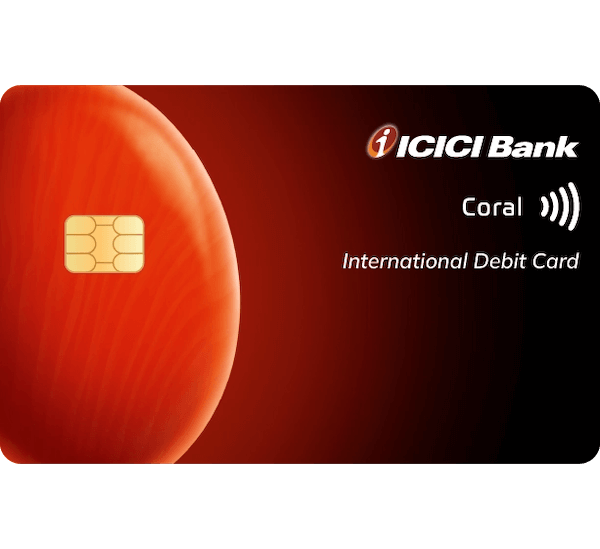
ICICI Bank pioneered many digital banking innovations in India, and their debit cards reflect this technological leadership. The bank offers sophisticated fraud protection and premium lifestyle benefits.
Key Features & Benefits:
- Advanced chip technology with dynamic CVV for enhanced online security
- Airport lounge access programs for premium card holders
- Comprehensive travel insurance coverage on international variants
- Real-time spending controls through mobile app interface
- Integration with ICICI’s investment and insurance product suite
- 24/7 global customer assistance for emergencies while traveling
Pros:
- Security features are among the most advanced in Indian banking
- Lounge access terms are transparent with clear spending requirements
- Travel insurance provides genuine coverage for international trips
- Mobile app allows granular control over card usage and limits
- Cross-selling of other financial products can be convenient for existing customers
- Quick resolution of disputes through established escalation processes
Cons:
- Premium benefits require maintaining substantial account balances
- Multiple product pitches can feel overwhelming for simple banking needs
Axis Bank Debit Card – Premium Lifestyle Benefits for High-Net-Worth Users
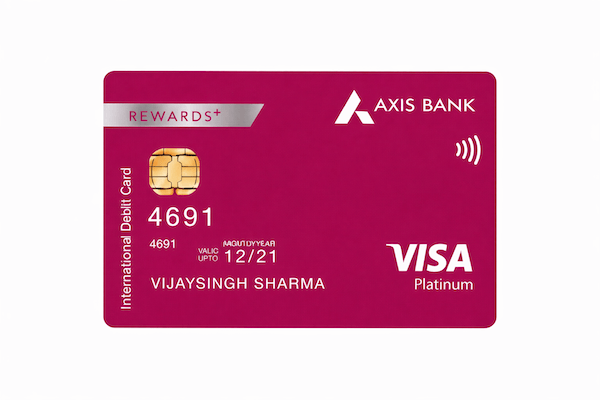
Axis Bank targets affluent customers with debit cards that offer luxury experiences. Their Burgundy program provides benefits typically reserved for credit cards, making these debit cards attractive for high-income individuals.
Key Features & Benefits:
- Burgundy program offers complimentary lounge access with defined yearly caps
- Cross-currency markup applies (3.5% + GST as per Axis terms).
- Golf course access and dining privileges at partner restaurants
- Concierge services for travel bookings and lifestyle assistance
- Priority banking with dedicated relationship managers
- Higher daily limits accommodate substantial spending requirements
Pros:
- Lifestyle benefits rival those of premium credit cards without borrowing
- Zero forex charges save significant money on international travel
- Concierge services genuinely helpful for busy professionals
- Priority banking ensures faster service and shorter wait times
- Golf and dining privileges provide real value for leisure activities
- Relationship managers understand high-net-worth customer needs
Cons:
- Minimum balance requirements are substantial and strictly enforced
- Benefits are only worthwhile if you regularly use premium services
Bank of Baroda Debit Card – Value-Oriented Option with Reasonable Fees
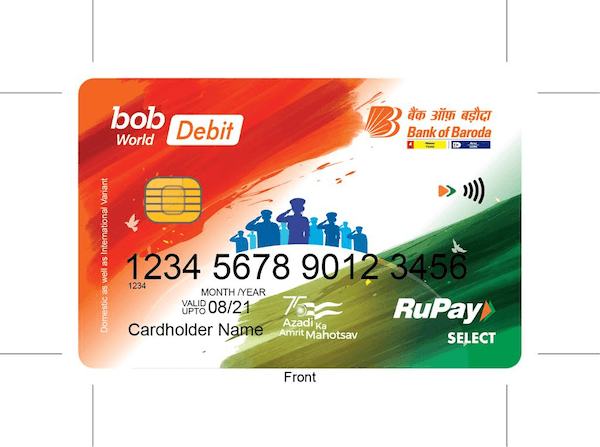
Bank of Baroda strikes a balance between government bank reliability and competitive features. Their debit cards cater to middle-class customers seeking decent benefits without premium pricing.
Key Features & Benefits:
- Moderate annual fees with achievable waiver conditions
- Reward points on fuel purchases and utility bill payments
- Basic travel insurance coverage on international variants
- Strong presence in both urban and semi-urban markets
- Government sector salary account compatibility
- Reasonable foreign exchange rates for overseas usage
Pros:
- Annual fees won't strain middle-class budgets significantly
- Reward structure favors everyday spending categories like fuel and groceries
- Branch network provides good coverage in tier-2 and tier-3 cities
- Staff typically speak local languages and understand regional needs
- International usage works reliably without complicated activation procedures
- Account maintenance charges are transparent and predictable
Cons:
- Reward rates are modest compared to premium private bank offerings
- Digital banking features need improvement to match private sector standards
Comparison Table: Best Debit Cards India 2026
This comparison table helps you evaluate the top debit cards quickly and shortlist the best option based on fees, rewards, limits, lounge access, and international usage. Use this overview to identify which cards match your spending patterns and banking preferences.
| Card (Bank) | Best For | Fee (₹) | Network | Rewards/Value | Lounge | Forex | ATM/day | POS/Online/day |
|---|---|---|---|---|---|---|---|---|
| Kotak811 (Kotak) | Digital banking | 299 + GST | Visa/RuPay | Cashback (select) | No | 3.5% | ₹25,000 | ₹1 Lakh |
| IndusInd Exclusive (IndusInd) | Int’l travel | Nil* | Visa/MC | RP + bonuses | 8/yr | 0%* | ₹2 Lakh | ₹4 Lakh |
| IDFC FIRST Visa (IDFC FIRST) | Free ATM access | Nil | Visa | Basic rewards | 2/qtr | 2%* | ₹2 Lakh | ₹6 Lakh |
| AU Bank (AU SFB) | Digital cashback | 499 + GST | RuPay/Visa | Enhanced cashback | No | 3.5% | ₹1 Lakh | ₹3 Lakh |
| YES Bank (YES) | Dining rewards | 500 + GST | Visa/MC | Dining/fuel points | 4/yr | 3.5% | ₹50,000 | ₹2 Lakh |
| HDFC Platinum (HDFC) | Wide acceptance | 850 + GST | Visa/MC | Standard rewards | 2/qtr | 3.5% | ₹1 Lakh | ₹5 Lakh |
| SBI Platinum (SBI) | Govt sector | 325 + GST | Visa/MC/RuPay | Rewardz points | Yes* | 3.5% | ₹1 Lakh | ₹2 Lakh |
| ICICI Coral (ICICI) | Security features | 699 + GST | Visa/MC | Points program | 8/yr* | 3.5% | ₹1 Lakh | ₹5 Lakh |
| Axis Burgundy (Axis) | Premium lifestyle | Nil* | Visa/MC | Premium rewards | Yes* | 3.5% | ₹3 Lakh | ₹6 Lakh |
| BoB Classic (BoB) | Value banking | 200 + GST | RuPay/Visa | Basic rewards | No | 3.5% | ₹40,000 | ₹2 Lakh |
This comparison reveals significant differences in fees, limits, and benefits across banks. Premium cards from Axis and IndusInd offer zero forex markup and extensive lounge access but require maintaining higher balances. Value-oriented options like Bank of Baroda and SBI provide essential features at lower costs.
What is a Debit Card and Who Needs It
A debit card connects directly to your bank account – think of it as a plastic key to your money. Swipe it, and cash comes out of your account immediately. No borrowing involved, unlike credit cards where you spend the bank’s money first and pay later.
Who actually needs these cards? Pretty much everyone with a bank account in modern India. Students get their first taste of financial independence when parents deposit money and they can access it through ATMs or pay for college expenses. It beats carrying wads of cash around campus.
Salary earners find debit cards indispensable for managing monthly budgets. Your company deposits your pay, and you can withdraw cash or pay bills without standing in bank queues. Weekend ATM runs become routine when banks stay closed but your expenses don’t.
Daily shopping has transformed with debit cards. Grocery stores, restaurants, even roadside vendors now accept card payments. That contactless tap feature works great when you’re buying milk at 7 AM and don’t want to fumble with exact change.
Online shopping practically requires a debit card these days. Amazon, Flipkart, bill payments, mobile recharges – everything happens digitally. Subscription services for Netflix or Spotify auto-debit from your account monthly.
Travelers appreciate debit cards because ATM networks span across cities and countries. Need cash in Goa or Mumbai? Find any ATM and withdraw. International cards work abroad too, though banks charge extra for currency conversion.
The government’s digital payment push means even small shops accept cards now. Metro cards, bus payments, parking fees – your debit card handles transactions that once required exact change. UPI apps like PhonePe link to debit cards, making payments possible through QR codes at virtually any merchant.
How to Choose the Best Debit Card in India
Picking the right debit card isn’t rocket science, but it does require thinking about how you actually spend money. Your spending habits should drive this decision, not flashy marketing promises.
Fees and Charges
Banks love charging annual fees – some want nothing, others demand over ₹1,000 yearly. The trick? Most banks will waive these fees if you jump through their hoops. Maybe they want you to keep ₹25,000 in your account, or swipe the card 10 times monthly. Read the fine print because “free” often comes with strings attached.
Rewards and Cashback
Every bank claims their rewards program is amazing. Reality check: some cards give extra cashback when you fill petrol, others reward your Swiggy addiction. But here’s what they don’t advertise loudly – reward caps exist. That “unlimited 5% cashback” probably stops at ₹500 monthly. Do the math on your actual spending.
Airport Lounge Access
Sounds fancy until you discover the catches. Your card might promise lounge access but require you to spend ₹50,000 quarterly first. Some lounges are overcrowded and serve stale sandwiches. If you fly twice yearly, don’t choose a card just for lounge access.
Payment Networks
Visa and Mastercard work everywhere, including that street food stall in Bangkok. RuPay cards only work in India but cost banks less to process, so they might offer better domestic rewards. Think about where you spend money.
Daily Transaction Limits
Nothing’s more embarrassing than your card getting declined at checkout because you hit some arbitrary daily limit. High spenders need cards that won’t cramp their style, while parents might prefer cards that prevent their college kids from going overboard.
International Usage and Forex
Standard cards slap 3-4% extra charges on foreign purchases. Buy something for $100, pay ₹8,300 instead of ₹8,000. Premium cards sometimes waive this markup, which adds up fast if you shop internationally or travel frequently.
Digital Controls and Security
Your card should let you freeze it instantly through an app if something feels wrong. Good cards send alerts within seconds of transactions and let you control where the card works – online only, ATMs only, or specific merchant types.
Match your real spending patterns with card features, not aspirational ones.
Types of Debit Cards in India
The main difference? Debit cards use your money, credit cards use the bank’s money that you pay back later. Both look similar but work completely differently.
| Aspect | Debit Card | Credit Card |
|---|---|---|
| Source of Money | Cash sitting in your bank account | Bank loans you money temporarily |
| Interest/Late Fees | Zero – it’s your own money | Brutal rates if you don’t pay on time |
| Rewards Level | Decent but nothing spectacular | Much better rewards and welcome bonuses |
| Credit Score Impact | Doesn’t help or hurt your score | Builds credit history when used wisely |
| EMI Availability | Few stores offer debit EMI options | Convert almost any purchase to EMI |
| Best Use Cases | Staying within budget, avoiding debt | Earning rewards, building credit rating |
Real-World Differences Debit cards act like digital cash – once your account hits zero, you’re done spending. Great for people who struggle with self-control or want to stick to strict budgets. But you’re missing out on reward points and the chance to build credit history that helps with future loans.
Credit cards reward big spenders with cashback, miles, and purchase protection that debit cards rarely match. The catch? It’s easy to overspend and end up paying 36-42% annual interest on unpaid balances.
Smart Usage Strategy Debit cards work perfectly for everyday stuff like groceries, petrol, and utility bills where you want zero temptation to overspend. Credit cards make sense for bigger purchases, travel booking, and online shopping where you want buyer protection or serious rewards.
The best approach? Use both strategically – debit for budget control, credit for rewards and credit building.
Key Benefits of Debit Cards
Why do people choose debit cards over carrying cash everywhere? The reasons are pretty practical once you think about it.
Budget Control
Here’s the thing about debit cards – they come with a built-in spending brake. When your account hits zero, that’s it, game over. No more purchases until you deposit money. This isn’t a bug, it’s a feature. Credit cards let you dig deeper into debt holes, but debit cards force you to live within your means.
Convenience for Daily Payments
ATMs work round the clock, unlike bank branches that close at 4 PM and take weekends off. Need cash at 11 PM for an emergency? Your debit card’s got you covered. Plus, most shops now accept card payments, so you don’t need to hunt for exact change when buying groceries or paying restaurant bills.
Better Control Through Banking Apps
Lost your card at a crowded market? Open your banking app and freeze it within seconds. Want to stop your teenager from buying expensive gadgets online? Set merchant category blocks through the app. Transaction alerts hit your phone faster than you can put the card back in your wallet.
Safer Than Cash
Drop ₹5,000 in cash on the street, and it’s gone forever. Drop your debit card, and you can block it before anyone misuses it. Contactless payments mean you don’t hand over your card to waiters who disappear into back rooms, and PIN verification adds security that cash transactions obviously can’t match.
Travel Utility
International debit cards work in most countries, assuming you pick Visa or Mastercard networks. No need to carry stacks of foreign currency or worry about exchange rate calculations at every purchase.
Eligibility Criteria for Getting a Debit Card
Getting a debit card is straightforward since eligibility depends on opening or holding a bank account and completing basic KYC requirements. Most banks issue debit cards automatically when you open new accounts.
Minimum Age Requirements
Age criteria varies by bank, but most institutions allow debit cards from age 18 onwards for independent accounts. Some banks offer cards for minors aged 10-17 through joint accounts with parents or guardians acting as co-signatories. A few progressive banks have lowered the age limit to 16 for basic debit cards with parental consent.
KYC Compliance
Know Your Customer documentation remains mandatory across all banks. This includes identity verification through government-issued documents, address proof validation, and photograph submission. Banks verify this information through their systems before approving card issuance. Digital KYC through video calls has simplified this process at many banks.
Account Type Requirements
Debit cards work with savings accounts, salary accounts, and current accounts. Savings accounts are most common for personal use, while current accounts suit business transactions. Salary accounts often come with premium debit cards and waived fees as employer benefits.
Minimum Balance Considerations
Basic debit cards typically have no specific minimum balance requirements beyond the account’s standard criteria. Premium debit cards require maintaining higher balances – ranging from ₹25,000 for mid-tier cards to ₹5 lakhs for luxury variants with extensive benefits.
The application process usually takes 7-10 working days for physical card delivery after account opening. Many banks now offer instant virtual debit cards through mobile apps while physical cards are being prepared and shipped to your registered address.
Documents Required to Get a Debit Card
Getting a debit card requires completing basic KYC documentation that most banks need for account opening. No additional paperwork is necessary beyond standard banking requirements.
Primary Identity Documents
PAN card serves as the most widely accepted identity proof across all banks and is mandatory for accounts with transaction limits above ₹50,000 annually. If PAN card isn’t available, Form 60 can substitute temporarily, though banks prefer PAN for permanent account relationships.
Identity and Address Proof Options
Passport works as both identity and address verification in a single document, making the process simpler for frequent travelers. Driving license provides similar dual benefits and is accepted universally. Voter ID card remains popular for identity verification, especially in rural areas where other documents might be less common.
Additional Verification Documents
Aadhaar card has become increasingly important for digital verification processes and instant account opening services. Many banks now complete KYC through Aadhaar-based e-verification, reducing physical document requirements significantly.
Special Considerations
Students might need college ID cards along with address proof from parents. Senior citizens can use pension documents as additional verification. Government employees often get expedited processing with employment certificates.
The documentation process has become largely digital at most banks. Mobile apps allow document uploads through smartphone cameras, and video KYC eliminates branch visits for many customers. Physical document submission is now required mainly for high-value accounts or when digital verification fails.
How a Debit Card Works and How to Add Money to Your Account
Debit cards connect directly to your bank account – spend with the card, money disappears from your balance immediately. Think of it as electronic cash that lives in plastic form.
ATM Operations
Using ATMs feels routine until something goes wrong. Stick your card in the slot, pick your language (why do they always ask this?), choose savings or current account, punch in your PIN, type the amount you want, and grab your cash. Money vanishes from your account right away, plus whatever fee your bank charges for using someone else’s ATM.
Point-of-Sale Transactions
Paying at stores depends on how much you’re spending and what kind of card reader they have. Small amounts under ₹5,000? Just tap your card and walk away. Bigger purchases mean inserting your card and entering your PIN while the shopkeeper waits impatiently. Some really old places still make you swipe and sign receipts like it’s 1995.
Online Transaction Process
Shopping online means typing your card’s long number, expiry date, your name, and that 3-digit code from the back. Then your phone buzzes with an OTP that you need to enter before the payment goes through. Some websites add extra verification steps that make you wonder if buying those shoes was really worth the hassle.
Adding Money to Your Account
Getting money into your account happens several ways. UPI apps like PhonePe move money instantly and usually free. Bank transfers through IMPS work immediately but cost a few rupees. NEFT and RTGS transfers happen during business hours and take longer.
Cash deposits work at bank branches, those cash-eating machines, or village banking agents. Salary hits your account automatically each month. Cheques still exist and take 1-3 days to clear, assuming the other person’s bank doesn’t bounce it.
Common Debit Card Fees & Charges
Banks charge various fees for debit card services, and these costs vary significantly by bank type and card variant. Understanding these charges helps you budget appropriately and choose cost-effective banking options.
Annual Maintenance Charge (AMC)
This yearly fee ranges from ₹100 for basic cards to ₹1,000+ for premium variants with extensive benefits. Public sector banks typically charge lower AMC compared to private banks. Many banks waive this fee if you maintain minimum balances or complete a specified number of transactions monthly. Salary accounts often get AMC waivers as employee benefits.
Card Replacement Fee
Lost or damaged cards incur replacement charges varying by bank policies and customer relationships. HDFC Bank charges ₹200 for lost cards but waives fees for physical damage. SBI’s replacement fees range from ₹100-300 depending on the card type. Premium account holders sometimes get free replacements as relationship benefits.
PIN Regeneration Charges
Forgotten PINs usually trigger nominal fees for duplicate PIN generation and delivery. Most banks provide the first PIN change free, then charge ₹25-50 for subsequent changes. Green PIN services through ATMs are typically free, while courier delivery of PIN mailers incurs additional costs.
ATM Transaction Charges
Same-bank ATM usage remains free with monthly transaction limits. Other-bank ATM usage costs ₹20-21 per transaction after exhausting free monthly limits (typically 3-5 transactions). Metro cities often have lower free transaction limits compared to rural areas under RBI guidelines.
International Transaction Charges
Foreign currency transactions attract forex markup fees of 3-4% plus applicable taxes. Some premium cards waive these charges entirely. Currency conversion happens at prevailing exchange rates plus bank margins, making international usage expensive unless you choose zero-markup cards.
Point-of-Sale Fees
Domestic POS transactions are generally free, but fuel purchases often incur 1% surcharges. However, many cards provide fuel surcharge waivers up to specified monthly limits, typically ₹100-250 per month.
Pros & Cons of Debit Cards
Every payment method has trade-offs, and debit cards aren’t perfect despite their popularity. Here’s what works and what doesn’t.
Pros
- No Interest Charges – Spend your own cash, pay zero interest unlike credit cards that charge 36-42% annually
- Helps with Budgeting – Card stops working when your account hits zero, preventing debt spirals
- Easy ATM Access – Get cash anytime from thousands of ATMs nationwide, even at 2 AM
- Simple Approval Process – Open an account, get a debit card automatically without income proofs or guarantors
- No Risk of Debt Accumulation – Impossible to overspend money you don't have, unlike credit card debt traps
Cons
- Lower Rewards Than Credit Cards – Most debit cards offer basic cashback while credit cards shower you with points
- Doesn't Build Credit Score – Banks don't report debit card usage to credit bureaus, missing score improvement chances
- Limited Premium Perks on Basic Cards – Forget about airport lounges or golf course access with entry-level cards
- Benefits Vary by Account Tier – Want good features? Better keep ₹50,000+ in your account permanently
- Inability to Have Emergency Cash – Medical emergencies don't wait for your salary, but debit cards can't help
Reality Check Debit cards work great for people who struggle with spending control or hate paying interest charges. But you’re trading convenience for opportunity – missing out on reward points and credit score building that helps with future home loans.
The choice depends on your personality. Disciplined spenders might prefer credit cards for rewards, while impulsive buyers benefit from debit card spending limits. Neither option is objectively better – it’s about matching tools to behavior patterns.
Do’s & Don’ts of Using Debit Cards
Smart debit card usage protects your money from fraud while maximizing convenience. Here’s what works and what backfires.
Do’s:
- Turn on transaction alerts right away – Your phone should buzz every time someone uses your card, even for ₹10 purchases, so you catch problems fast
- Report problems immediately – Lost your card at the mall? Don’t wait until tomorrow morning – call the bank or freeze it through the app within minutes
- Shop only on trusted websites – Stick to Amazon, Flipkart, and other big names rather than random online stores with sketchy checkout pages
- Monitor your account like a hawk – Check your balance weekly through the banking app, not just when you’re broke
- Keep spending limits reasonable – Why set ₹2 lakh daily limits when you never spend more than ₹20,000? Lower limits prevent bigger losses
- Hide your PIN when typing – Use your other hand to block the view when entering PINs at crowded ATMs
Don’ts:
- Never tell anyone your PIN or OTP – Real banks don’t call asking for PINs, and shop owners don’t need your OTP to process payments
- Don’t trust dodgy websites – That electronics store with prices “too good to be true” probably is exactly that
- Don’t write down your PIN – Your brain is more secure than any piece of paper or phone note
- Don’t ignore alert messages – “Transaction of ₹5,000 at 3 AM” isn’t normal unless you’re actually shopping at 3 AM
- Don’t do banking on cafe WiFi – Public internet and bank passwords don’t mix well
- Don’t hand your card to strangers – Keep it visible when waiters take it for payment
Conclusion
Finding the right debit card from these 10 options boils down to honest self-assessment about your spending habits and banking needs. Modern debit cards do much more than dispense cash from ATMs – they’re your gateway to online shopping, restaurant payments, and hassle-free travel.
Here’s the truth: no single debit card wins for everyone. College students gravitate toward Kotak811’s zero balance requirements, while globe-trotters save money with IndusInd Bank’s zero forex fees. High earners might splurge on Axis Bank’s premium perks, but practical folks often find Bank of Baroda’s straightforward approach more sensible.
Stop trying to pick the “perfect” card and instead focus on what you actually do with money. Use our comparison table to narrow down 2-3 realistic options. Think about whether you’ll actually visit airport lounges enough to justify higher fees, if you really need those higher daily limits, whether international shopping is worth paying forex charges, and which reward categories match your real spending patterns.
Your best debit card should feel invisible – working smoothly when you need it without surprising you with unexpected fees or limitations. Pick based on how you live today, not some aspirational version of yourself. The right choice makes your financial life easier, not more complicated.
Don’t overthink this decision. Most decent debit cards handle basic needs perfectly well. Focus on finding one that costs a reasonable amount while covering your specific requirements reliably.
Frequently Asked Questions
1.
Which debit card is best for cashback and online shopping in India?
HDFC Millennia gives you 2.5% back on online purchases, which beats most other cards. AU Bank also rewards digital spending pretty well. Skip the complicated point systems – direct cashback makes more sense when you’re buying stuff online regularly.
2.
Which debit cards offer airport lounge access, and what conditions usually apply?
ICICI Sapphiro gets you into domestic lounges 4 times per quarter, while IndusInd lets you visit 8 times yearly. Axis Burgundy sounds unlimited but you need serious money parked with them. Most cards want you to spend ₹10,000-50,000 quarterly before lounge access kicks in, so don’t pick a card just for lounges unless you actually fly often.
3.
Is there a “zero annual fee” debit card, and when is it actually free?
IDFC FIRST really means free – no tricks or conditions. Axis and IndusInd wave fees if you keep huge balances with them. Watch out for “free” cards that charge you later when you don’t meet their spending targets or balance requirements.
4.
Can I get a debit card online, and how long does delivery usually take?
Yeah, most banks let you open accounts online now and give you a virtual card immediately through their app. Physical cards show up in 7-10 days by courier. Digital banks like Kotak811 are especially fast with this process.
5.
Can I get a debit card without opening a bank account?
Nope, debit cards need bank accounts since they pull money directly from your balance. Prepaid cards work similarly if you just want plastic without the full banking relationship – load money, spend it, reload when empty.
6.
What’s the difference between RuPay debit cards and Visa/Mastercard debit cards?
RuPay only works in India but sometimes gives better cashback since banks pay lower fees. Visa and Mastercard work worldwide. Pick RuPay for India-only usage, international networks for travel or foreign website shopping.
7.
What is a virtual debit card and when should I use it?
Virtual cards exist only in your banking app – you get card numbers for online shopping without physical plastic. Great for sketchy websites since you can kill the card instantly if something goes wrong. Perfect for subscriptions you might want to cancel easily.
8.
How do I activate a new debit card and set/reset the ATM PIN?
Usually involves calling customer service or hitting up any ATM with your temporary PIN. Green PIN services at ATMs let you pick your own 4-digit code right away. Banking apps increasingly handle activation and PIN changes without phone calls.
9.
What should I do immediately if my debit card is lost or stolen?
Freeze it through your banking app or call customer service right now – don’t wait until morning. File a police report if you think someone stole it. Order a replacement card (costs ₹100-200) and watch your statements like a hawk for weird transactions.