
Best Free Credit Cards in India That Actually Deliver Value

The content of this material is informational and educational in nature and cannot be regarded as financial advice. It is extremely important to conduct an independent analysis before any financial transactions. If you are not sure about financial matters, it is strongly recommended to seek the advice of an independent expert.
A “free credit card” in India generally refers to cards that charge no annual fee, though the specifics can vary significantly. Some credit cards in India are genuinely lifetime free, meaning they never charge an annual fee regardless of usage patterns. Others operate under conditional structures, waiving the annual fee only when cardholders meet specific spending thresholds or complete certain transactions within a year. While the annual fee might be waived, these free credit cards still carry other charges that deserve attention—including interest on unpaid balances, cash withdrawal fees, and forex markups on international transactions. This guide examines 10 of the best lifetime free credit cards available in India, evaluating them based on reward value, practical utility for everyday spending, transparency around fees beyond the annual charge, and accessibility of eligibility requirements.
10 Best Free Credit Cards Reviewed
| Product | Features | Rating | Link | |
|---|---|---|---|---|
|
New 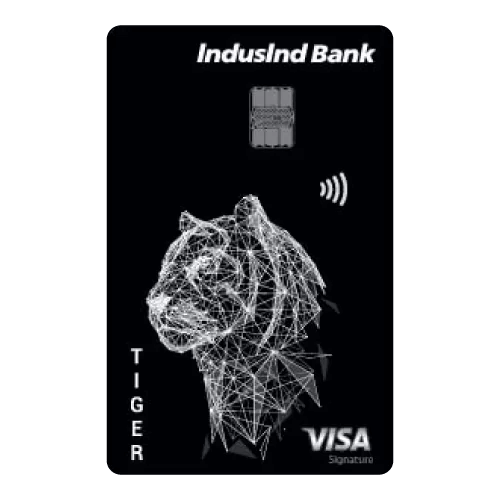
IndusInd Tiger Credit Card |
Co-branded option delivering cashback when you shop or dine out | 4.8/5 | Get It Now! | |
|
Exclusive 🔥 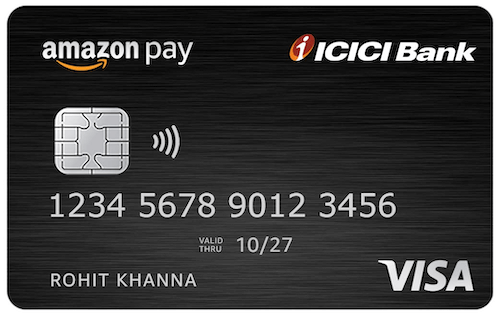
ICICI Credit Card |
Collect reward points whether you're buying online or at physical stores | 4.9/5 | Get It Now! | |

IDFC Credit Card |
Earn cashback at fuel stations, grocery stores, and through UPI payments | 4.6/5 | Get It Now! | |
Axis Bank Credit Card |
Get rewarded for travel bookings and restaurant bills, plus milestone bonuses | 4.7/5 | Get It Now! | |
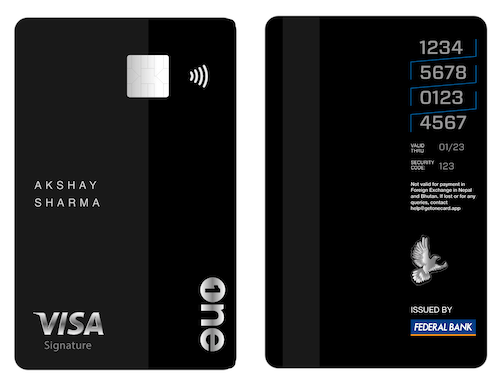
OneCard Credit Card |
Metal card that tracks your rewards through a simple mobile app | 4.4/5 | Get It Now! | |
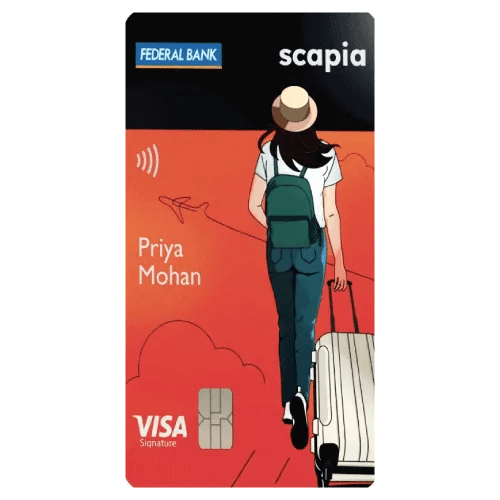
Scapia Federal Credit Card |
Built for travellers, includes airport lounge access at no extra cost | 4.5/5 | Get It Now! | |
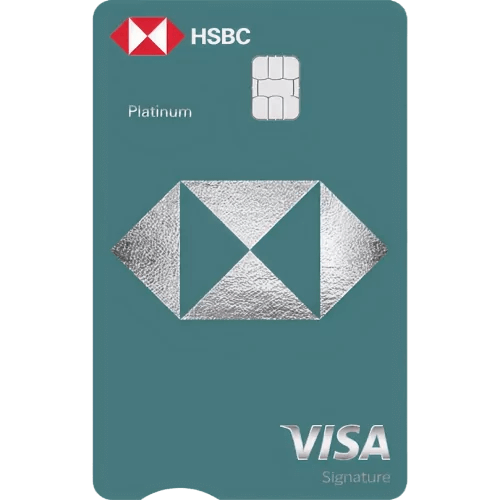
HSBC Visa Platinum Credit Card |
Covers fuel surcharges and offers lifestyle perks | 4.7/5 | Get It Now! | |
YES Bank FinBooster RuPay Credit Card |
Works with UPI and gives cashback when paying utility bills | 4.8/5 | Get It Now! | |
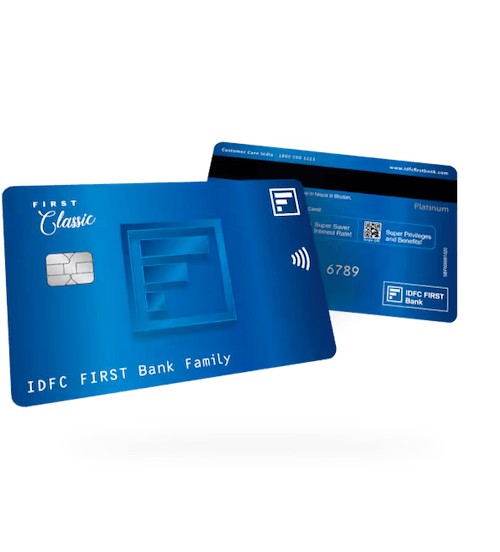
IDFC FIRST Classic Credit Card |
Starter-friendly card with perks for dining and fuel purchases | 4.6/5 | Get It Now! | |
Standard Chartered Platinum Rewards Credit Card |
Accumulate points across all retail and e-commerce spending | 4.5/5 | Get It Now! |
Top 10 Free Credit Cards in India 2026
IndusInd Tiger Credit Card — Premium Rewards with Travel and Lifestyle Value
Joining Fee: Nil
Annual Fee: Nil
IndusInd Tiger Credit Card works as a co-branded option appealing to city dwellers ordering food online and eating out regularly. This lifetime free credit card is reward-points based, with value delivered through reward redemption as per the latest terms. Earn higher cashback percentages through food apps, movie bookings, and e-commerce purchases. Fuel purchases qualify for surcharge waivers, helping if you’re filling up weekly. The card handles rewards transparently—zero conversion math, no voucher catalogues, just percentage returns appearing as credits. Monthly caps exist but won’t bother typical spenders. Makes sense for first jobbers or college students whose spending flows toward online shopping and weekend restaurants.
Key Benefits / Why We Like It
| Key Benefits | Why We Like It |
|---|---|
| Cashback on dining and shopping | Direct statement credit without redemption hassle |
| Zero annual fee forever | Cost-effective for light users |
| Fuel surcharge waiver | Saves money on tank refills |
Pros:
- Simple cashback without complicated tiers
- Monthly limits work for average spending
- Wide acceptance online and offline
- Digital application with fast approvals
Cons:
- Lower cashback than premium cards
- Heavy spenders hit caps quickly
Amazon Pay ICICI Credit Card — No-Fee Cashback for Frequent Online Shopping
Joining Fee: Nil
Annual Fee: Nil
ICICI Credit Card runs on reward points without trapping you into specific stores. Swipe at neighborhood shops or online—points stack at the same pace. This matters because spending patterns shift monthly. Sometimes you’re walking through malls, other times everything arrives via delivery. The card doesn’t care which route you take. Points stick around indefinitely as long as you keep using the card. No countdown forcing scrambled redemptions before points vanish. Let them pile up until you’ve got enough for something valuable instead of grabbing random vouchers to avoid waste. Redemption options include flight bookings, shopping credits, or airline transfers. ICICI gets accepted everywhere in India. The bank runs special earning boosts during festivals.
Key Benefits / Why We Like It
| Key Benefits | Why We Like It |
|---|---|
| Flexible reward points | Earns across all spending |
| Points don’t expire | No deadline pressure |
| Wide acceptance | Works everywhere |
Pros:
- Earning works across merchant types
- Points stay valid indefinitely
- Multiple redemption options
- Festival promotions boost earnings
Cons:
- Base rate trails specialized cards
- Needs consistent spending for value
IDFC FIRST Millennia Credit Card — Everyday Rewards with UPI Acceleration
Joining Fee: Nil
Annual Fee: Nil
IDFC Credit Card targets people whose money flows toward fuel, groceries, and phone payments rather than fancy dining. This card rewards what families actually buy weekly. Fill your tank at any major pump and earn cashback. Shop at supermarkets or order through Blinkit, same deal. What’s genuinely different: you earn rewards paying through UPI. Most cards ignore UPI despite everyone using it for splitting bills, paying electricians, settling at small shops. Those tiny transactions happen dozens of times monthly and suddenly they’re worth something. Skip the airport lounge drama—get straightforward value on electricity bills, grocery runs, fuel costs, neighborhood shopping. Monthly cashback caps exist but sit high enough that typical families won’t hit them.
Key Benefits / Why We Like It
| Key Benefits | Why We Like It |
|---|---|
| Cashback on fuel and groceries | Covers essential monthly categories |
| UPI transaction rewards | Earns on everyday digital payments |
| No joining or annual fees | Zero cost to hold |
Pros:
- Rewards match household spending patterns
- UPI cashback includes ignored transactions
- Works across pump chains
- Moderate income requirements
Cons:
- Lower dining and entertainment rewards
- Missing premium perks
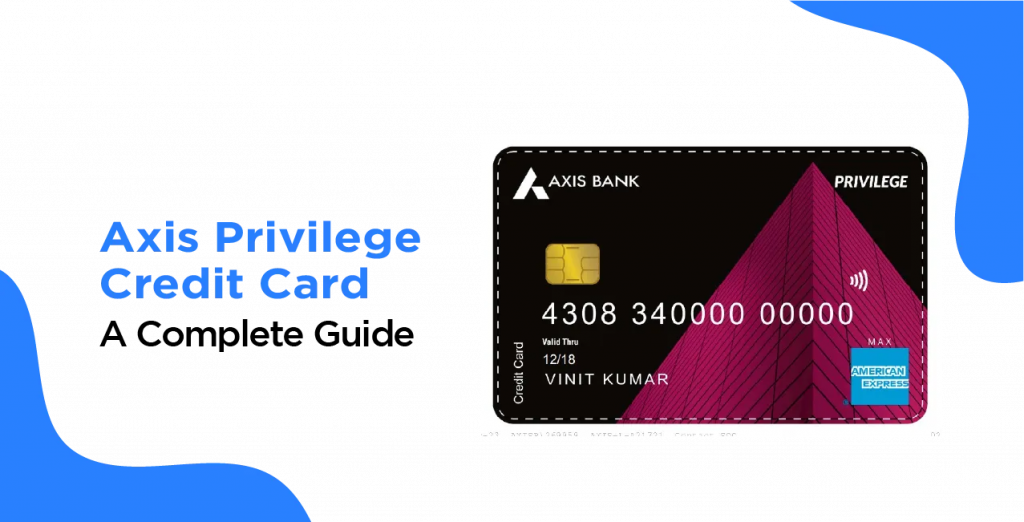
Axis Bank My Zone Credit Card (Mastercard) — Entertainment Perks with Lounge Access
Joining Fee: Nil
Annual Fee: Nil
Axis Bank Credit Card targets people whose budget flows toward plane tickets and restaurant bills instead of supermarket runs. Rewards strongly favor experiences—weekend trips, hotels, sit-down dinners rather than takeout. Book flights or pay restaurant checks and you’re racking up points way faster than buying toothpaste. Spend enough over twelve months and the card hands you bonus rewards genuinely cutting into what you laid out. These milestone perks aren’t tiny gestures—someone taking a few trips yearly can actually hit them without buying unnecessary stuff. Airport lounge access comes bundled, with free entries tied to annual spending. Even flying twice yearly within India, skipping overpriced airport food matters. Partner restaurants knock money off bills or throw in extras beyond points.
Key Benefits / Why We Like It
| Key Benefits | Why We Like It |
|---|---|
| Travel and dining rewards | Accelerated lifestyle earning |
| Milestone bonuses | Valuable spending thresholds |
| Airport lounge access | Complimentary visits |
Pros:
- Points multiply on travel and dining
- Milestone rewards give substantial value
- Lounge passes mean comfortable waits
- Restaurant discounts beyond points
Cons:
- Groceries and fuel earn barely anything
- Milestones need consistent spending
OneCard Credit Card — App-Controlled Metal Card with Smart Rewards
Joining Fee: Nil
Annual Fee: Nil
OneCard Credit Card comes as metal feeling different in your wallet, but the real distinction is how transparently the app handles everything. Most cards hide reward calculations behind confusing terms. OneCard dumps information into a clean app where you watch rewards accumulate real-time. Every transaction shows exactly what you earned, current balance, when redemptions become available. The card doesn’t lock you into specific merchants—spending anywhere counts toward rewards, though partner brands trigger bonuses. What separates this from traditional banks is the approval process. Everything happens through the app without branch visits or physical paperwork. Approvals come fast, sometimes within minutes if your profile checks out. Metal construction signals durability. Redemption converts to statement credits rather than forcing gift card catalogues.
Key Benefits / Why We Like It
| Key Benefits | Why We Like It |
|---|---|
| Metal card design | Durable premium feel |
| Transparent app tracking | Real-time visibility |
| Simple redemption | Statement credits |
Pros:
- Complete app transparency
- Metal construction beats plastic
- Entirely digital application
- Direct statement credit redemption
Cons:
- Rates don't match specialized cards
- Approval needs existing credit score
Scapia Federal Credit Card — Travel-Focused Card with Zero Forex Markup
Joining Fee: Nil
Annual Fee: Nil
Scapia Federal Credit Card zeroes in on people whose spend tilts toward flights, hotels, vacation planning rather than daily groceries. Built specifically around travel rewards, delivering better value there than most lifetime free alternatives. Book through Scapia’s app and earn significantly higher percentages compared to shopping locally or paying utilities. Rewards convert into coins knocking money off future travel, creating a cycle where each trip funds the next. Airport lounge access gets bundled without extra fees, though minimum monthly spending keeps privileges active. The threshold isn’t unreasonable—most travelers hit it naturally if travel makes up moderate annual budget chunks. Zero forex markup on international transactions saves real money. Many cards advertise low forex fees but still tack on 2-3% abroad. Scapia drops that completely.
Key Benefits / Why We Like It
| Key Benefits | Why We Like It |
|---|---|
| Travel-focused rewards | High earning on flights and hotels |
| Airport lounge access | Complimentary with minimum spending |
| Zero forex markup | No foreign transaction fees |
Pros:
- Strong Scapia app booking rewards
- Lounge access without membership fees
- No forex markup internationally
- Coins redeem against travel costs
Cons:
- Everyday spending earns minimally
- Rewards locked to Scapia platform
HSBC Visa Platinum Credit Card — Lifetime-Free Rewards with Fuel Savings
Joining Fee: Nil
Annual Fee: Nil
HSBC Visa Platinum Credit Card spreads decent perks across several categories rather than chasing highest rewards in one area. You’re not stuck picking between fuel, dining, or shopping. Use it anywhere and something comes back, even if percentages won’t blow your mind. Fuel surcharge waivers show up at major pumps—small saves mattering when filling up twice weekly. Shopping rewards don’t care if you’re clicking online or handing cards to cashiers. HSBC clearly prefers its own banking customers—already have an account there and approval odds jump, sometimes catching promotional offers random applicants never see. The card focuses on lifestyle rewards and fuel surcharge waiver benefits across regular spends. Basic coverage beats the nothing most free cards offer.
Key Benefits / Why We Like It
| Key Benefits | Why We Like It |
|---|---|
| Fuel surcharge waivers | Saves at petrol stations |
| Lifestyle perks | Covers multiple categories |
| Travel insurance | Basic protection included |
Pros:
- Fuel savings across pump chains
- Multiple categories without forcing choices
- Insurance and purchase protection included
- HSBC customers get better approvals
Cons:
- Earning trails specialized cards
- Premium features limited
YES Bank FinBooster RuPay Credit Card — UPI-Centric Rewards for Daily Payments
Joining Fee: Nil
Annual Fee: Nil
YES Bank FinBooster RuPay Credit Card taps into what most cards ignore—UPI payments. Since UPI handles everything from splitting dinner bills to paying neighborhood grocers, earning rewards on those transactions matters. Running on RuPay network means direct UPI app integration that Visa or Mastercard can’t match. Link to Google Pay or PhonePe and dozens of small daily payments start generating cashback instead of disappearing into statements. The card specifically targets bill payments as high-reward category—everyone pays electricity, mobile, internet, streaming subscriptions monthly anyway. Those aren’t exciting purchases but they’re happening regardless, so earn something back. Rewards are issued as points on eligible spends (including UPI-linked usage), with redemption governed by issuer terms. RuPay positioning means acceptance at government portals where international networks face restrictions.
Key Benefits / Why We Like It
| Key Benefits | Why We Like It |
|---|---|
| UPI payment rewards | Earns on digital transactions |
| Bill payment cashback | High returns on utilities |
| RuPay network benefits | Works with government portals |
Pros:
- UPI integration for daily payments
- Strong bill payment cashback
- Direct statement credit
- RuPay acceptance advantages
Cons:
- Traditional swipes earn minimally
- Limited premium features
IDFC FIRST Classic Credit Card — Starter Lifetime-Free Card with Never-Expiring Rewards
Joining Fee: Nil
Annual Fee: Nil
IDFC FIRST Classic Credit Card works as an entry point for people starting their credit journey or wanting simplicity without premium complications. Doesn’t chase high earners with fancy perks—focuses on basic categories mattering when managing regular expenses on tight budgets. Dining rewards apply whether eating at restaurants or ordering through Swiggy and Zomato. Fuel benefits include surcharge waivers saving a bit each fill-up. What makes this genuinely accessible is relaxed eligibility compared to premium alternatives. IDFC approves applications from people with moderate incomes and limited credit histories, realistic for first jobbers or recent graduates. Reward points stay straightforward—earn on spending, redeem against statements or vouchers, no complex tiers or expiration pressure. Movie ticket discounts pop up regularly. Railway lounge visits quarterly with minimum spending.
Key Benefits / Why We Like It
| Key Benefits | Why We Like It |
|---|---|
| Dining and fuel rewards | Essential lifestyle spending |
| Beginner-friendly eligibility | Moderate income acceptance |
| Railway lounge access | Quarterly visits |
Pros:
- Accepts first-time applicants
- Dining covers restaurants and delivery
- Fuel waivers provide savings
- Railway lounge access included
Cons:
- Rates can't compete with premium cards
- Limited travel benefits
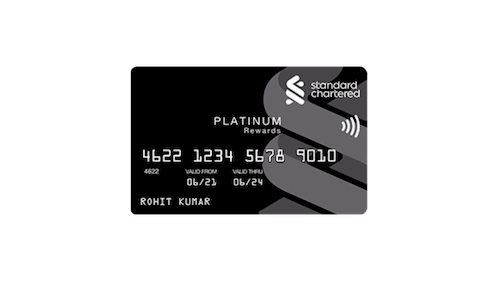
Standard Chartered Platinum Rewards Credit Card — Reward-Points Card with Conditional Fee Waiver
Joining Fee: Nil
Annual Fee: Nil
Standard Chartered Platinum Rewards Credit Card positions itself for people bouncing between online shopping and physical retail without favoring one heavily. The reward system doesn’t discriminate based on where you’re spending—Amazon purchases earn the same rate as buying from neighborhood electronics stores. This flexibility matters because shopping habits shift constantly depending on deals, convenience, or mood. One month you’re clicking through e-commerce, next you’re walking through malls needing to see products first. The card handles both identically, removing mental math figuring out where spending pays off better. Accumulated points convert across multiple redemption channels including vouchers, travel bookings, even transferring to partner loyalty programs. Standard Chartered’s merchant network runs deep in India, so payment acceptance issues rarely pop up whether in metros or smaller cities.
Key Benefits / Why We Like It
| Key Benefits | Why We Like It |
|---|---|
| Retail and online rewards | Equal earning everywhere |
| Flexible redemption | Multiple usage options |
| Wide merchant acceptance | Works across India |
Pros:
- Consistent earning regardless of method
- Points convert to vouchers or travel
- Acceptance spans metros and smaller cities
- Festival promotions boost accumulation
Cons:
- Rates lower than specialized cards
- No premium perks like lounge access
Comparison Table: Best Free Credit Cards in India
Picking between multiple lifetime free credit cards gets simpler when you can actually see their differences laid out together. The table below puts joining fees, annual charges, how rewards work, where you earn most, standout features, and who should grab each card all in one place. This quick view helps you spot which cards match how you actually spend money without rereading everything above.
| Credit Card | Joining / Annual Fee | Reward Style | Best Spend Categories | Key Perk | Best Suited For |
|---|---|---|---|---|---|
| IndusInd Tiger | Nil / Nil | Reward points | Shopping, dining | Points redeemable as cash credit | Young urban professionals |
| IDFC FIRST Millennia | Nil / Nil | Reward points | Fuel, groceries, UPI | Essential spending rewards | Family budget managers |
| Amazon Pay ICICI | Nil / Nil | Cashback | Amazon, partner spends, daily spends | Direct cashback to Amazon Pay balance | Flexible spenders |
| Axis Bank My Zone (Mastercard) | Nil / Nil | Reward points | Dining, entertainment | Milestone bonuses | Experience seekers |
| OneCard | Nil / Nil | Reward points | Universal spending | Metal card, app transparency | App-savvy users |
| Scapia Federal | Nil / Nil | Scapia Coins | Flights, hotels | Zero forex markup | Frequent travelers |
| HSBC Visa Platinum | Nil / Nil | Reward points | Lifestyle, fuel | Fuel surcharge waiver | Well-rounded spenders |
| YES Bank FinBooster | Nil / Nil | Reward points | UPI, bill payments | UPI rewards integration | Digital payment users |
| IDFC FIRST Classic | Nil / Nil | Reward points | Dining, fuel, UPI | Railway lounge (spend-based) | Credit beginners |
| Standard Chartered Platinum | Nil* / Nil* | Reward points | Retail, online shopping | Flexible redemption | Consistent shoppers |
What becomes obvious here is how free credit cards in India separate themselves even though none charge annual fees. Some zero in on everyday stuff like fuel and groceries, while others reward you for traveling and eating out. Your best move is matching a card to wherever your money goes most heavily each month—that’s how you squeeze value from something that costs nothing to hold.
How We Selected These Free Credit Cards
This list focuses on credit cards in India genuinely charging no annual fee or operating under clear lifetime-free structures where waivers aren’t tied to unrealistic spending requirements. Selection prioritized practical benefits Indian cardholders actually use rather than promotional gimmicks.
Annual Fee Logic: Cards either never charge annual fees or waive them with realistic spending thresholds average users meet through normal monthly expenses. Cards requiring excessive spending got excluded since they essentially function as paid cards disguised with conditional waivers.
Reward Usefulness: Evaluation examined whether rewards deliver genuine value or just create illusions. Cashback crediting to statements beats point systems requiring complicated conversions. Categories that matter—fuel, groceries, dining, online shopping—received priority over obscure spending types.
Acceptance and Networks: Only cards with wide merchant acceptance across India qualified. Visa, Mastercard, and RuPay networks ensure payment success whether shopping in Mumbai or tier-three cities. UPI integration earned bonus consideration since digital payments dominate daily transactions.
How to Choose the Best Free Credit Card for You
Picking the right lifetime free credit card depends less on promotional hype and more on honestly assessing where your money actually goes monthly. Even cards charging zero annual fees deliver wildly different value depending whether spending concentrates on groceries, travel, or restaurants.
Identify Your Top Spending Buckets
Review three months of bank statements and categorize where money flows consistently. Ordering food through apps multiple times weekly? Spending heavily at petrol pumps during commutes? Booking flights regularly? Your top two or three categories should drive card selection since that’s where rewards accumulate fastest. Someone spending ₹8,000 monthly on groceries and fuel benefits more from cards rewarding those categories than ones offering travel perks used twice yearly.
Cashback Versus Reward Points
Cashback credits directly to statements as actual money, requiring zero effort beyond spending. Reward points demand more work—tracking balances, understanding conversions, navigating redemption catalogs. Points offer flexibility for bigger redemptions but become worthless if you never redeem because processes feel tedious. Choose cashback for simplicity. Pick points if organized enough to track them and patient enough to accumulate substantial balances.
Understanding Caps and Exclusions
Every free card in India caps rewards somehow—monthly limits, annual maximums, category restrictions. A card advertising 5% cashback sounds amazing until discovering it caps at ₹500 monthly, hit after spending just ₹10,000. Check what spending gets excluded entirely. Many cards don’t reward wallet loads, rent payments, cash advances, insurance premiums, or government transactions.
Forex Markup Considerations
Planning international travel even occasionally? Forex markup matters significantly. Most cards charge 2-3.5% on foreign transactions, adding up quickly on vacations. Cards offering zero or reduced forex markup save real money spending abroad.
UPI and RuPay Relevance
UPI handles countless daily transactions traditional cards miss entirely. If paying through Google Pay or PhonePe constantly, cards offering UPI rewards through RuPay integration become genuinely valuable.
Basic Eligibility Requirements
Free cards typically target entry to mid-level earners, but requirements vary. Some accept applicants earning ₹15,000 monthly, others demand ₹30,000 or more. Credit scores matter too—cards targeting beginners may approve scores around 650-700, while others expect 750+.
Features & Benefits of Free Credit Cards
Free credit cards actually deliver solid value when you handle them right, even though they skip the flashy stuff premium cards throw around. Getting what these cards genuinely offer helps you know what’s realistic while squeezing out maximum benefit.
No Annual Fee Benefit
The biggest win here is dropping absolutely zero rupees keeping cards active year after year. For folks dropping ₹20,000-40,000 monthly, annual fees on premium cards rarely justify themselves unless rewards completely crush that cost. Lifetime free cards dump this whole calculation—whatever comes back as rewards is straight profit rather than needing to cover some fee first.
Building Credit History
Free cards work incredibly well for starting or fixing credit scores, especially if you’re brand new to credit or bouncing back from earlier money troubles. Regular swiping followed by paying everything on time shows credit bureaus you’re reliable, all without risking annual fees while your score climbs. This counts heavily later when chasing better loan rates or trying to rent decent housing.
Cashback and Reward Value
Even though these cards cost nothing yearly, they’re still returning 0.5-2% on regular spending through cashback or points. That percentage looks tiny until you run the numbers across twelve months. Someone dropping ₹3,00,000 annually pulls back ₹3,000-6,000, which handles groceries for months or funds a weekend away, all from a card costing nothing to hold.
Merchant Offers
Banks constantly run deals with specific merchants—bonus discounts at Zomato, cashback when buying from Flipkart, cheaper movie tickets through BookMyShow. These stack onto base rewards, sometimes hitting 10-15% total during promotions.
Fees & Hidden Charges to Check on Free Credit Cards
“Free” credit cards drop the annual fee but still pack other charges that’ll quietly bleed your wallet if you’re not paying attention to how you handle them. Knowing these costs upfront stops ugly surprises when statements land.
Interest and APR
This is where things get expensive fast. Indian credit cards typically run 36-48% yearly interest, which works out to roughly 3-4% monthly on whatever you didn’t pay off. That interest snowballs quickly—leave ₹10,000 unpaid and you’re looking at ₹11,200 after just three months if you’re only covering minimums. The fix is dead simple: clear your full statement before the due date hits every single month. Do this and you’ll never touch interest no matter how scary the APR looks.
Late Payment Fees
Blow past your deadline and banks slam you with ₹500-1,500 penalties depending on what you owe. These charges land on top of interest on the unpaid chunk. Set autopay for at least the minimum, or even better, the full balance if money’s flowing okay. Missing even once also trashes your credit score, which messes with future loan approvals.
Cash Withdrawal Fees and Immediate Interest
Hitting ATMs with your credit card triggers instant fees, usually 2.5-3% of what you pulled with a floor around ₹300-500. Even worse, interest kicks in immediately on cash advances instead of giving you the normal grace period that purchases get. Yank ₹5,000 from an ATM and you’re dropping ₹150 upfront plus interest starting that exact day.
Forex Markup and Foreign Transaction Fees
Buying stuff internationally or spending abroad usually tacks on 2-3.5% markup when converting currency. Some cards advertise zero forex markup, which legitimately helps travelers. Others bury this cost deep in fine print, and it climbs shockingly fast—spend $1,000 on vacation and you’re losing an extra ₹2,000-2,500 just on forex.
EMI Processing and Conversion Fees
Splitting purchases into monthly chunks sounds handy but typically costs 1-2% upfront as processing fees. Plus, EMI interest rates often run higher than what banks openly show as card APR. Read everything before converting any purchase.
GST on Fees
Goods and Services Tax hits most credit card charges including late fees, processing costs, and annual fees where they exist. That 18% GST stacks on top, turning a ₹500 late fee into ₹590 after tax.
Overlimit Charges
Pushing past your credit limit triggers overlimit fees, though nowadays many banks just reject the transaction instead. Still smart to watch your available limit so payments don’t get declined mid-checkout.
Eligibility Criteria for a Credit Card in India
Getting approved for a free credit card in India comes down to hitting certain baseline marks that banks check to figure out if you’ll actually pay them back. Exact requirements bounce around between issuers, but some patterns hold steady across most lifetime free card options.
Age Requirement
Most banks want you at least 21 years old for your own card, though some will take 18-year-olds. The upper end usually stops around 60-65 for salaried folks, with self-employed people sometimes facing slightly earlier cutoffs. Family add-on cards might use different age rules.
Residence Status
You need to be an Indian resident with real address proof. Some banks only chase metro city people, others don’t care if you’re in smaller towns. Non-Resident Indians get shoved into different product buckets and typically can’t touch standard domestic free cards available to residents.
Employment Type
Banks approve both salaried and self-employed folks, though paperwork demands shift dramatically. Salaried people usually glide through approvals since income checks happen via salary slips and employer info. Self-employed professionals need business registration papers, ITR filings, and bank statements proving money flows in regularly.
Income Expectations
While lifetime free cards aim at entry-level earners, minimum income floors still exist. Some issuers accept monthly incomes starting around ₹15,000-20,000, others won’t budge below ₹25,000-30,000 or higher. Premium variants within free card ranges often push minimum income requirements upward despite dropping annual fees.
Credit Score and History
Your credit score heavily sways approval odds. Scores above 750 generally cruise through approvals for most free cards. Scores between 650-750 still get approved but might catch lower starting credit limits. Below 650, approvals turn uncertain unless you’re chasing secured cards backed by fixed deposits. First-timers with zero credit history can still qualify for entry-level free cards built specifically for starting credit.
Existing Banking Relationship
Having a savings account with the issuing bank sometimes smooths approvals and occasionally unlocks better terms or faster processing. However, this isn’t required—most banks gladly issue cards to fresh customers without forcing you to open accounts first.
Documents Required for a Credit Card Application
Getting a credit card in India means pulling together the usual KYC stuff plus proof you’re earning, so banks can check you’re legit, confirm where you live, and decide if you’ll actually pay them back. What they want shifts a bit between banks, but the core papers stay pretty consistent.
| Document | Details |
|---|---|
| PAN Card | There’s no way around this—every credit card application needs your Permanent Account Number. Banks pull PAN to peek at your tax situation and see what credit you’re already carrying. Skip it and your application dies right there. |
| Identity Proof | They’ll take Aadhaar, passport, voter ID, or driving license. Aadhaar’s become the default since government pushes it hard, but honestly any official photo ID works. Just make sure it’s readable when you scan or snap it. |
| Address Proof | Options include Aadhaar, passport, recent utility bills (electric, water, gas), bank statements from past three months, property docs, or rental papers. Address proof showing somewhere different than where you actually live now? Some banks get fussy and want fresh utility bills matching your current spot. |
| Income Proof for Salaried | Grab salary slips from the last two or three months plus bank statements proving those deposits hit. Some banks also want Form 16 or your latest tax return, especially for cards with higher income bars. |
| Income Proof for Self-Employed | Business registration, GST papers, ITR acknowledgments covering two years, and bank statements tracking business money usually work. Self-employed folks face heavier paperwork since income bounces around. |
How to Apply for a Free Credit Card Online
Applying for a lifetime free credit card online’s gotten way easier since banks now let you handle the whole thing digitally without stepping foot in a branch. Start to finish often happens in hours if your paperwork checks out and your credit looks decent.
- Check Eligibility Requirements
Before diving in, make sure you actually hit the card’s basic bars—age, income floors, job type. Most banks sites have quick checkers that instantly tell you if you qualify, beating the alternative of applying blindly and getting rejected.
- Check Your Credit Score
Knowing your score upfront stops nasty surprises later. Scores past 750 usually cruise through, while lower numbers might catch rejections or tiny credit limits. Grab a free score check from any platform—won’t ding your score, so peek before applying instead of finding out problems exist only after denial.
- Fill the Online Application Form
Pull up the bank’s website or grab their app, then hunt for the credit cards section. Forms want personal stuff, job details, income numbers, where you live. Get it right since mismatches between what you enter and your actual documents jam everything up or get you denied outright.
- Upload Required Documents
Snap photos or scan your PAN, ID proof, address proof, income papers, then push them through the portal. Keep shots clear and complete—blurry or chopped images get bounced and slow things down.
- Complete KYC Verification
Lots of banks do video KYC now where someone hops on a video call to verify you and your docs live. Takes maybe 10-15 minutes, replacing in-person checks. Some still send people to your house though.
- Verification and Approval Timeline
After submitting, banks check everything through credit bureaus and their systems. Decisions land within 24-72 hours usually. Approved cards show up at your door in 7-10 business days.
- Card Delivery and Activation
When the card arrives, activate it via the bank’s app, website, or phone by following their instructions. Set your PIN through an ATM or online, then start swiping immediately.
Tips for Using Free Credit Cards Smartly
Free credit cards don’t cost anything to hold, but mess them up and you’ll still pay through interest, penalties, and a wrecked credit score. Smart habits pull maximum value while dodging expensive traps.
Pay in Full and On Time
This matters more than anything else with credit cards. Clear your whole statement before the deadline and interest never touches you, doesn’t matter what APR they’re charging. Miss the date? You’re looking at ₹500-1,500 penalties plus your credit score takes a hit. Set autopay at minimum, though honestly you should clear everything.
Avoid Cash Withdrawals
Pulling cash from ATMs with credit cards bleeds money fast—instant fees plus interest starting that exact day with zero grace period. Cash advances run 2.5-3% upfront, minimum ₹300-500, making this one of the dumbest ways to get cash. Use debit or UPI instead.
Track Reward Caps and Exclusions
Every free card stops rewards somewhere—monthly caps, yearly limits, whatever. Learn these cutoffs so you’re not earning nothing after hitting them. Also figure out what doesn’t count at all—wallet top-ups, rent, insurance, cash pulls usually earn zilch.
Keep Utilization Reasonable
This ratio shows how much credit you’re using versus what’s available. Stay under 30% for healthy scores. ₹50,000 limit means keep balances under ₹15,000. Push higher and credit bureaus think you’re struggling, even paying on time.
Enable SMS and Email Alerts
Transaction pings catch fraud instantly instead of weeks later when statements show up. Most banks send free alerts for every swipe. Turn them on and actually check them to spot weird charges fast.
Don’t Apply for Too Many Cards at Once
Every application dings your credit report with a hard inquiry, dropping your score temporarily. Bunch applications together and lenders think you’re desperate, leading to rejections. Wait 3-6 months between tries.
Review Statements Monthly
Scan your statement for unauthorized charges, wrong amounts, or mystery fees. Catching fraud early beats discovering it months later when you can’t remember what happened and documents are lost.
Conclusion
Picking the right free credit card in India boils down to matching where you’re actually spending with cards that reward those exact spots hardest. Sure, all these cards dump annual fees, but their real worth changes massively depending whether you’re after fuel savings, grocery cashback, travel stuff, or just flexible everyday spending. Dig through your monthly expenses honestly, nail down your top two or three money drains, then grab cards targeting those specifically. Before hitting apply anywhere, confirm current fees and reward details straight from banks since this stuff shifts occasionally. Smart picking plus responsible swiping delivers real financial wins without annual fees dragging you down.
Frequently Asked Questions
1.
What does “lifetime free credit card” mean in India?
A lifetime free credit card charges absolutely nothing for joining and zero annually throughout its entire lifespan, no matter how you use it. Unlike conditional waiver cards needing minimum spending, genuine lifetime free cards never hit you with annual charges. But “free” only covers annual maintenance—other costs like interest on unpaid stuff, late fees, cash advance charges, and forex markups still apply based on what you do. Always confirm whether a card’s truly lifetime free or running under conditional setups needing minimum spending thresholds.
2.
Is a lifetime free credit card really free, or are there hidden charges?
Lifetime free cards dump joining and annual fees permanently, but plenty of other charges apply depending on usage. Interest kicks in on unpaid balances past due dates, typically hitting 36-48% yearly. Late payment fees slam ₹500-1,500 per instance. Cash withdrawals trigger 2.5-3% fees plus instant interest. Foreign transactions tack on 2-3.5% forex markup unless waived. These aren’t hidden—banks spell them out in terms—but cardholders often ignore them while fixating only on zero annual fees. Read complete fee breakdowns before applying anywhere.
3.
What’s the difference between “lifetime free” and “annual fee waiver”?
Lifetime free cards never charge annual fees under any circumstances whatsoever. Annual fee waiver cards charge fees by default but waive them when you hit conditions like spending ₹1,00,000 yearly. Miss thresholds and you’re paying full fees. Waiver cards offer stronger rewards but need tracking spending to hit conditions consistently. If you’re uncertain about meeting requirements reliably, lifetime free cards eliminate guesswork completely. Banks sometimes pitch waiver cards as “free,” so nail down exact structures before applying.
4.
Which is better on a free card: cashback or reward points?
Cashback credits straight to statements as real money without needing redemption effort, making it way simpler and transparent. You spend, earn cashback, watch it get knocked off—no catalogues, conversions, or expiration worries. Reward points offer flexibility for bigger redemptions or airline transfers but demand effort tracking balances and navigating processes. Points risk expiring unused. Go cashback for simplicity and immediate value. Pick points if you’re organized enough to track actively and patient enough to pile up meaningful amounts.
5.
What happens if I don’t pay my credit card bill on time?
Missing deadlines triggers multiple nasty hits. Late fees of ₹500-1,500 charge immediately based on what you owe. Interest piles up on unpaid amounts at 36-48% yearly, compounding monthly. Credit scores drop hard, messing with future loans. Continued non-payment leads to more penalties and card blocking. Severe delinquency results in legal action hitting you. Set autopay for minimum amounts to dodge these consequences. Even unable to clear full balance, minimum payment prevents most penalties while you figure out clearing the rest.
6.
Do free credit cards charge interest if I pay the full amount due?
No, clearing your full statement balance before the deadline wipes out all interest regardless of how much you spent. Credit cards give you 45-50 day interest-free grace periods from transaction dates. No interest piles up if you’re clearing the entire statement balance. Interest applies only when you’re carrying unpaid balances past deadlines or making just minimum payments. This grace period represents credit cards’ biggest win. Always clear complete statement amounts before deadlines hit. Partial or minimum payments trigger instant interest on remaining balances plus all new transactions.
7.
Can I use a lifetime free credit card internationally, and what fees should I check first?
Yes, most work internationally wherever their network gets accepted. However, international usage triggers forex markup hitting 2-3.5% per foreign transaction unless waived. Some cards advertise zero forex markup, genuinely saving travelers money. International merchants sometimes offer dynamic currency conversion in rupees—decline this since rates are worse. Before traveling, inform banks about usage preventing fraud blocks, check forex markup charges, and understand foreign ATM fees which stack multiple charges together.
8.
Can I withdraw cash from an ATM using a free credit card in India, and what does it cost?
While technically doable, yanking cash using credit cards is insanely expensive. Cash advances trigger immediate 2.5-3% fees with ₹300-500 minimums. Unlike purchases enjoying grace periods, withdrawals start racking up interest from day one at 36-48% APR. Some ATMs add their own convenience fees stacking on top. A ₹10,000 withdrawal costs ₹300 upfront plus daily interest, making it way pricier than using debit or UPI. Save credit card withdrawals only for absolute emergencies when nothing else works.
9.
Can I get a lifetime free credit card with no credit history or a low credit score?
Yes, several cards specifically target first-timers with limited or zero history. Entry-level cards accept applicants with 650-700 scores or no credit records whatsoever. Secured cards backed by fixed deposits offer guaranteed approval since your FD serves as collateral. These build scores through responsible usage and timely payments. Start with entry-level cards, use regularly but moderately, pay on time, and scores climb within 6-12 months qualifying you for better cards. Avoid applying to multiple premium cards initially since rejections trash scores further.
10.
Is it okay to have multiple lifetime free credit cards, and how many is sensible?
Multiple free cards make total sense since they cost nothing and maximize rewards across different spending buckets. Using 2-4 cards strategically delivers better overall returns than cramming everything through one card. One for travel, another for fuel, third for shopping captures category rewards efficiently. However, juggling multiple cards requires discipline—tracking deadlines, monitoring spending, ensuring you’re not missing payments anywhere. Too many (5+) create headaches without extra benefits. Stick to 2-4 matching your spending categories, set autopay everywhere, monitor statements regularly.